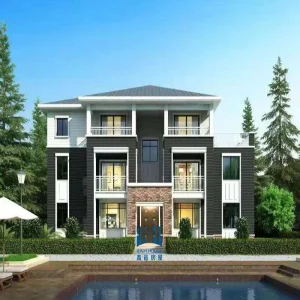
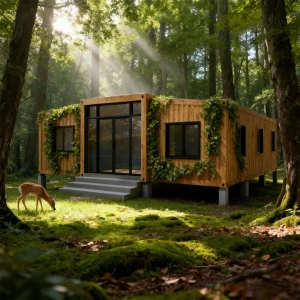
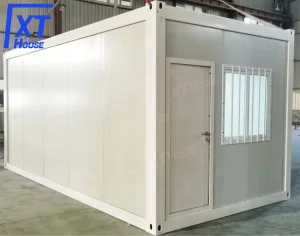
Engineered for high-yield resort operations, family weekend escapes, and rugged mountainous installations across Gangwon-do, Jeju Island, and beyond.
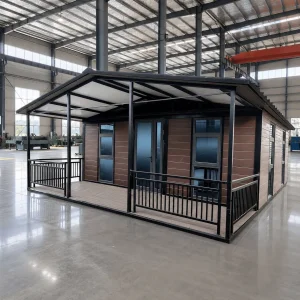
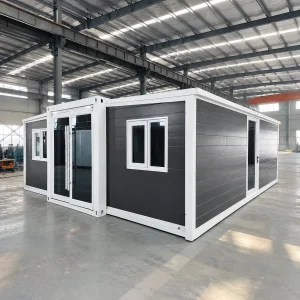
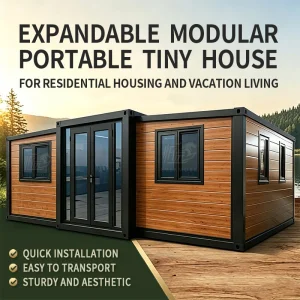
Whitepaper insight into structural compliance, local tourism investments, and energy requirements
In recent years, South Korea has witnessed an unprecedented structural shift towards industrialized construction. Fueled by rising labor costs, labor shortages in provincial areas, and a massive surge in local eco-tourism (especially in Gangwon-do, Jeju-do, and the southern coastal regions like Namhae), developers are moving away from traditional on-site concrete casting. Modular prefabrication, particularly **expandable vacation houses**, has emerged as the definitive solution to address high land costs, seasonal building restrictions, and stringent environmental policies.
The Korean market holds unique geographical and legislative conditions. Development Restriction Zones (often referred to as the "Green Belt") and complex agricultural land use approvals make portable, non-permanent, and easily deployable housing structures highly valuable. By utilizing dual-wing expandable structures, Korean leisure businesses and private landholders can establish luxurious, code-compliant accommodations with minimal footprint and zero permanent soil degradation.
South Korea implements extremely strict building performance rules. Under the *Korean Building Act*, any modular vacation home or cabin designed for residential or commercial accommodation must comply with regional heat transmittance coefficients (U-Values). The country is categorized into distinct thermal zones (Central 1, Central 2, and Southern).
To meet these strict criteria, our manufacturing pipeline has integrated structural insulated panels (SIPs) featuring high-density Polyurethane (PU) and continuous Rockwool cores. These insulation modules achieve exceptional R-values, preventing thermal bridging during cold Siberian winds in Gangwon winters, while reducing cooling loads under high humidity conditions in the Korean summer. Double or triple-glazed Low-E argon-filled windows are incorporated as standard to comply with local energy certification laws.
Coastal resorts in South Korea, particularly around Busan and Jeju Island, are consistently exposed to high relative humidity, sea spray salt, and seasonal typhoons. The structures must withstand wind speeds exceeding 45 m/s. Our engineering roadmap addresses these challenges through the following structural features:
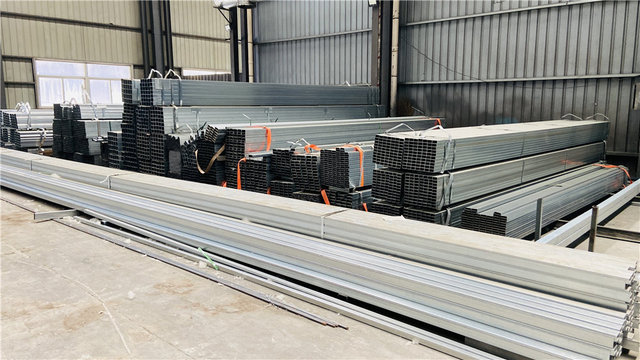
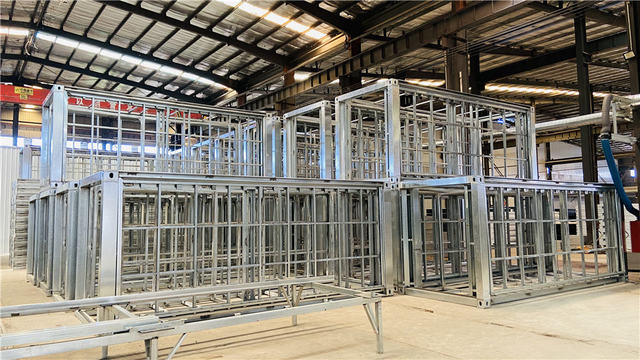
Every frame undergoes hot-dip galvanization (minimum coating mass of Z275g/m²) to protect structural joints and columns from oxidation and heavy marine atmospheric stress.
The expandable wings utilize heavy-duty commercial stainless steel hinges and weatherproof rubber gaskets that seal airtight, ensuring zero moisture penetration during typhoons.
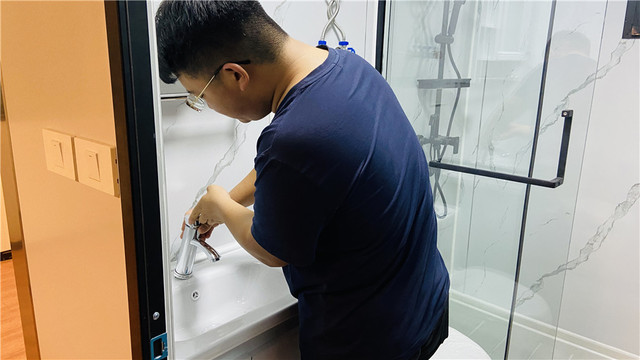
All plumbing and electric systems are fully pre-installed and pressure-tested inside the factory, designed to easily plug into Korean local municipal grids using KS-certified components.
Hangzhou Cencal Home Co., Ltd. is a leading, professional manufacturer specializing in expandable houses, foldable cabins, modular prefabricated buildings, and customized portable structures. With our state-of-the-art facility and strategic trade networks, we export high-durability modular solutions to key growth markets worldwide, with South Korea representing a primary focus.
We offer comprehensive OEM/ODM services, floor plan customization, structural engineering optimization, and custom interior finishes. By utilizing advanced production lines and sourcing premium raw materials, Cencal Home guarantees that every shipped unit complies with rigorous international structural, fire-safety, and thermal standards.
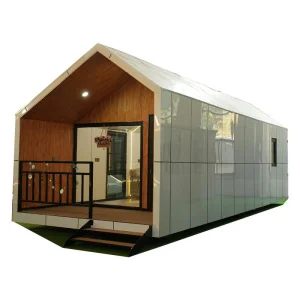
Explore our complete range of flexible expandable houses, mobile villas, and commercial glamping units engineered for South Korea and global markets.
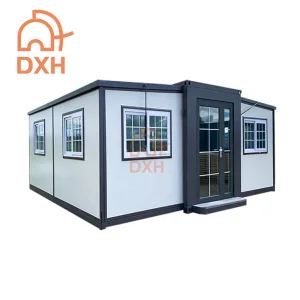
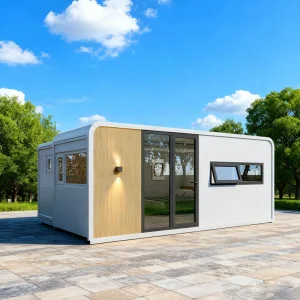
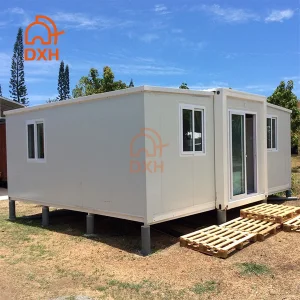
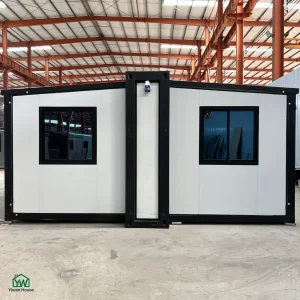
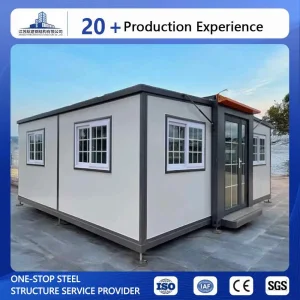
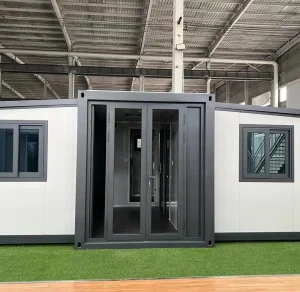
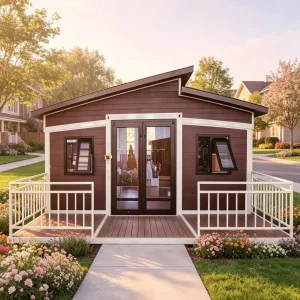
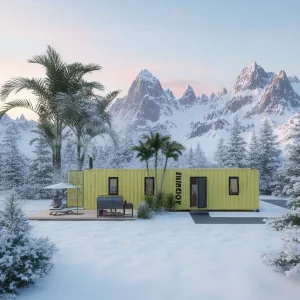
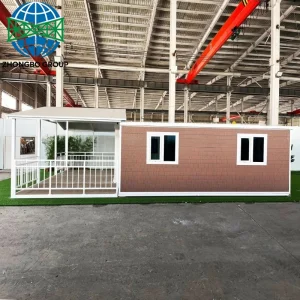
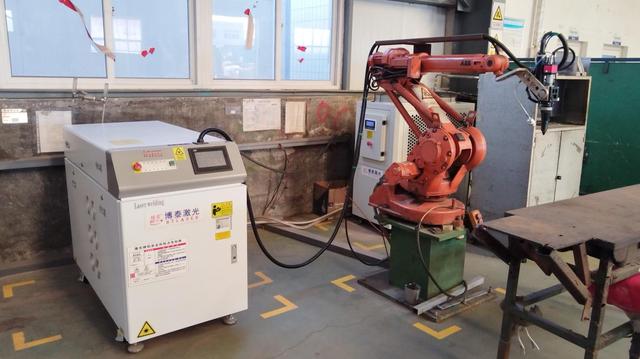
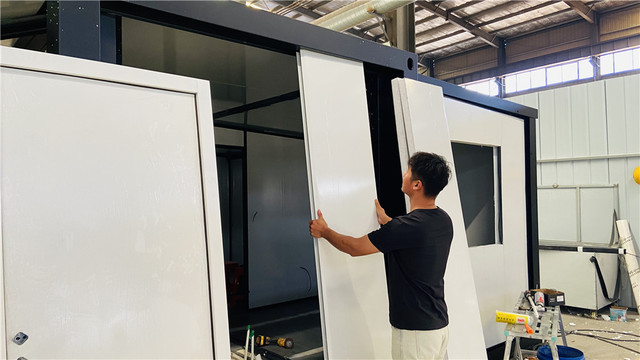
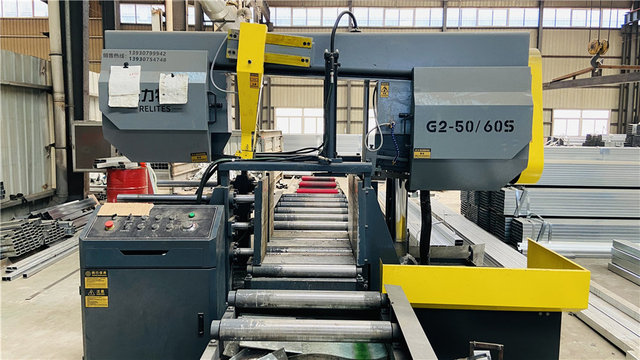
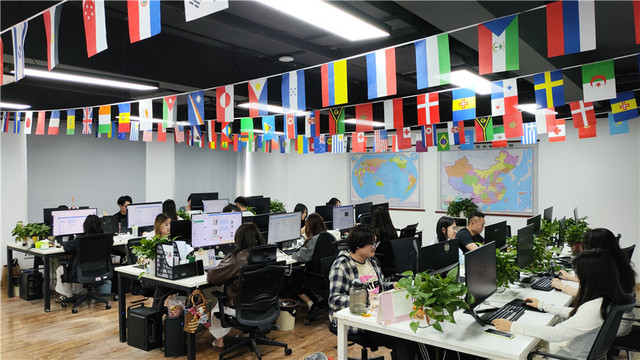
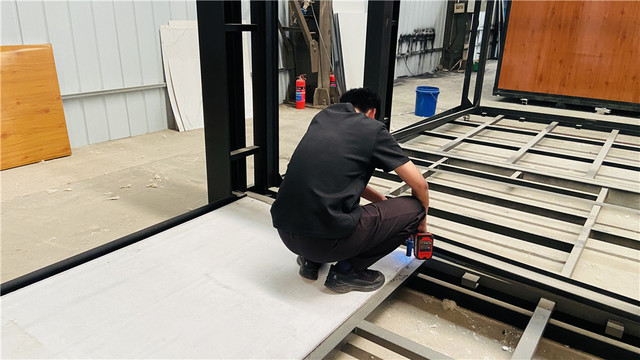
Take a virtual look inside our factory floors, engineering workshops, and delivery systems exporting to major commercial hubs in Korea and globally.
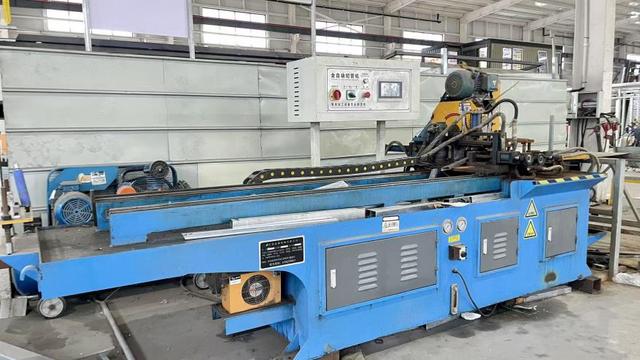
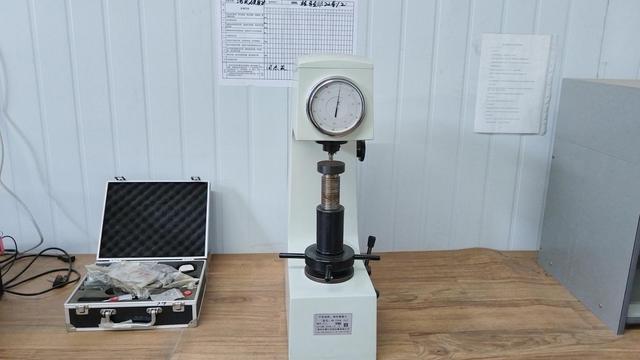
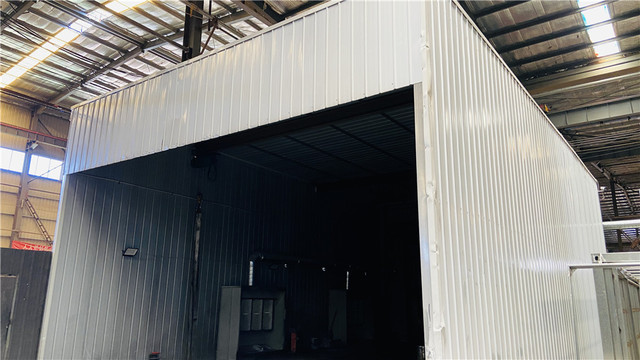
Expert answers addressing customs clearance, installation, structure codes, and transport details for Korean buyers.
 Cencal Home