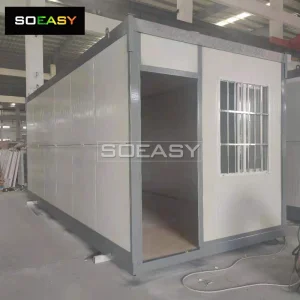
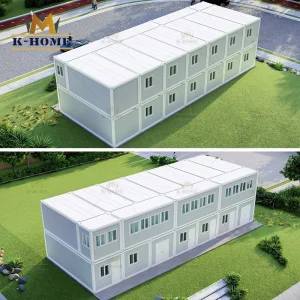
High-precision ready-to-deploy modular structures engineered for modern spatial demands
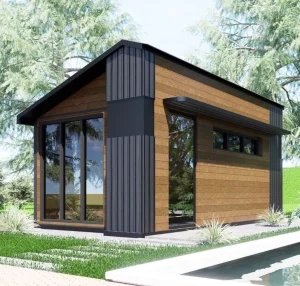
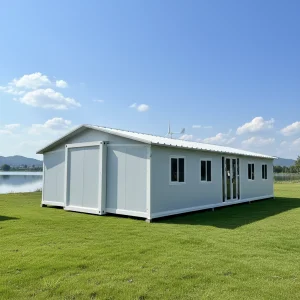
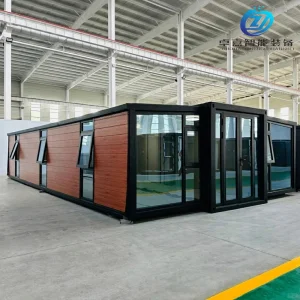
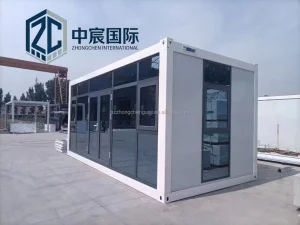
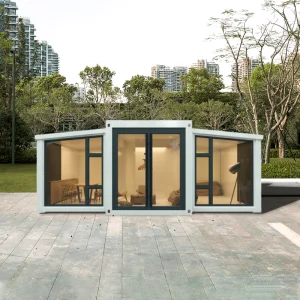
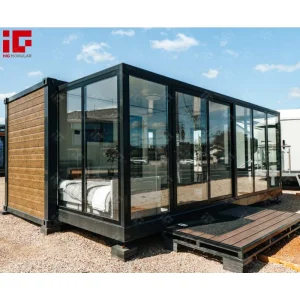
Analysis of off-site construction models and the growth of expandable restroom solutions
The global construction industry is experiencing a massive structural transition toward modular prefabrication. Driven by labor shortages, rising material costs, and strict environmental regulations, developers are turning to modular volumetric units. Among these, the expandable bathroom pod has emerged as a high-value category. By integrating structural frames, smart plumbing, and thermal insulation, these units serve as complete utility hubs.
Historically, plumbing installation was the most complex part of modular construction, often causing delays due to trades coordination on-site. Prefabricated expandable bathrooms resolve this bottleneck by centralizing assembly within strict, factory-controlled environments. Market intelligence indicates that the global modular sanitary unit market will grow substantially, driven by demands from hospitality, residential developments, commercial offices, and municipal disaster management systems.
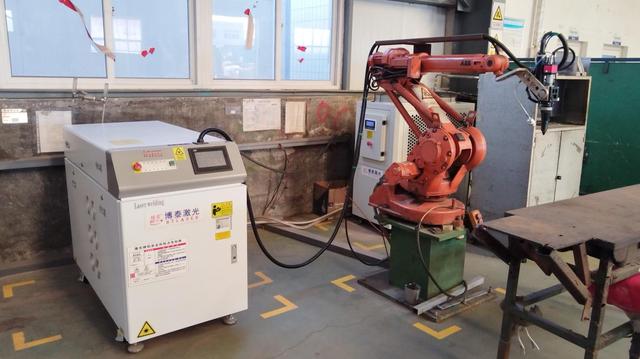
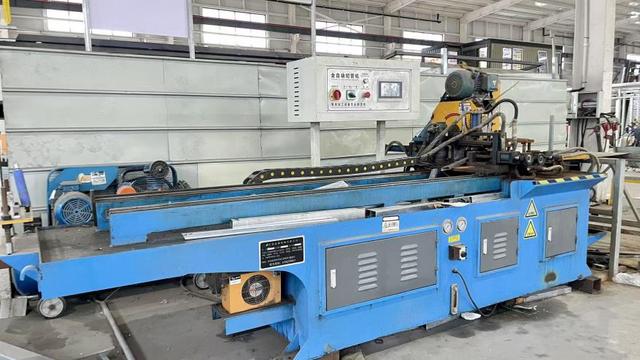
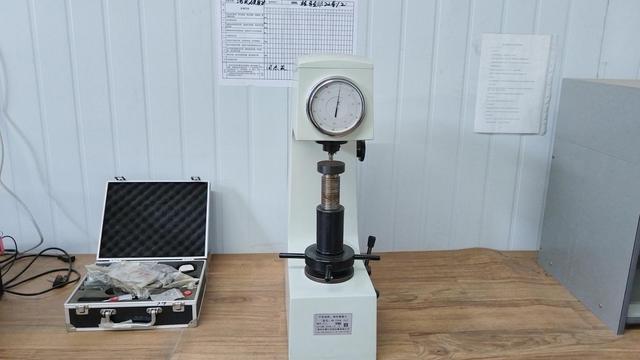
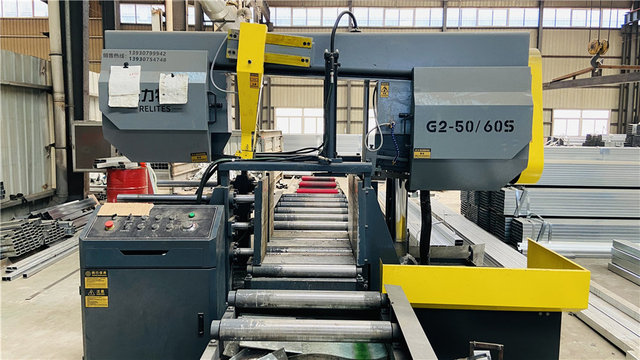
In regions such as North America, Western Europe, and Oceania, where structural compliance standards (such as UPC, IPC, CE, and WaterMark) are exceptionally high, sourcing from certified factories is essential. Leading suppliers now utilize high-precision CNC machinery and automated testing systems to ensure every unit is ready for immediate plumbing and electrical connection upon arrival.
A closer look at structural integrity, plumbing design, and thermal performance
Features heavy-duty stainless steel hinge mechanisms and hydraulic stabilizers. This design allows the structure to expand to double its transport footprint while maintaining square geometry and structural stability.
Utilizes multi-layered EPDM rubber gaskets combined with mechanical compression latches. This provides airtight seals, preventing water leakage, drafts, and heat loss at folding joints.
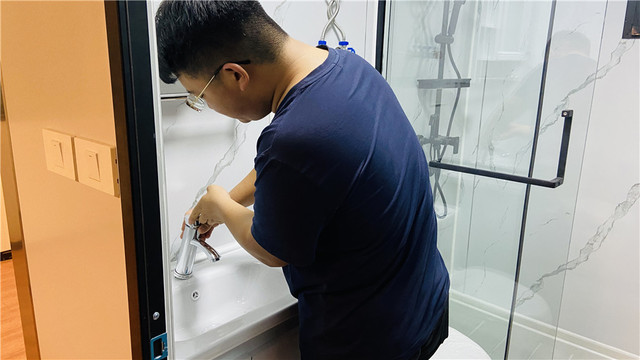
Designed with flexible PEX plumbing networks and quick-connect brass couplings. Plumbing components fold securely inside the structural wall cavities to protect the lines during transit.
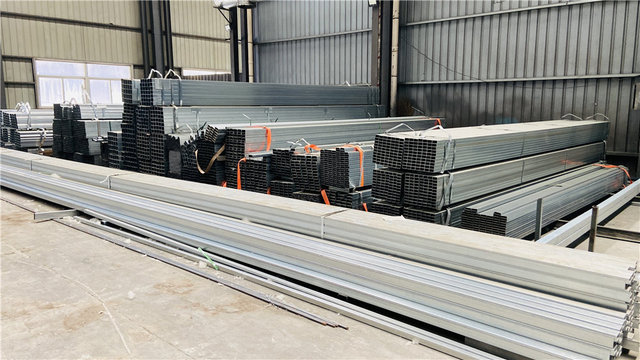
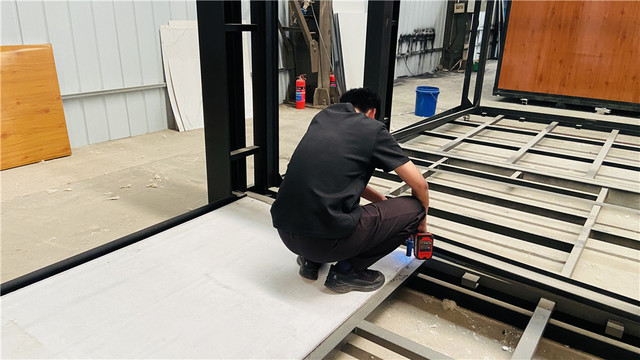
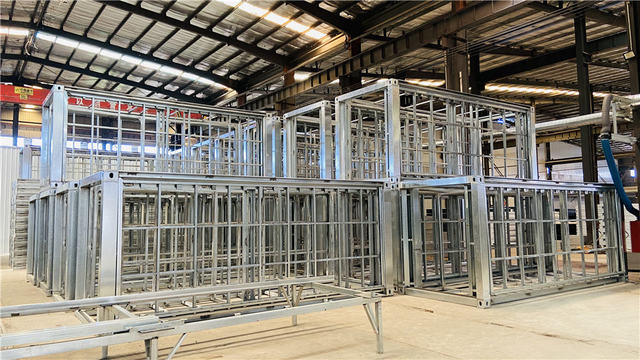
Modern expandable bathrooms depend heavily on advanced structural materials. The main structural frames are built using hot-dip galvanized steel members that resist corrosion. The floor base is reinforced with cement fiber board and covered with slip-resistant vinyl sheet flooring. Wall panels typically feature high-density polyurethane (PU) or rockwool sandwich panels, which provide strong thermal insulation and acoustic privacy.
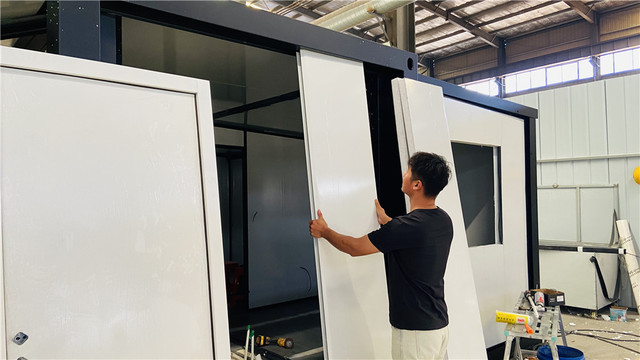
During transport, the bathroom sides retract into a compact shape that fits standard shipping containers or flatbeds. On arrival, the telescoping frame expands, sliding wall components lock into place, and integrated seals secure the joints. This design minimizes the field labor needed for installation, making the units highly efficient for remote operations.
Key metrics and engineering parameters for evaluating international suppliers
When selecting a supplier for large-scale projects, sourcing agents should evaluate factories using a comprehensive checklist rather than looking at price alone. Below are the five main criteria that separate top-tier manufacturers from standard suppliers:
Verify that the factory utilizes AWS-certified welders (American Welding Society) or equivalent ISO 3834 certifications. Structural frame elements should be hot-dip galvanized with a zinc coating thickness of no less than 275g/m² to prevent premature structural fatigue in humid coastal or high-salinity zones.
Plumbing systems must conform to destination-market regulations. For North America, demand cUPC (Uniform Plumbing Code) certification; for Australia and New Zealand, WaterMark licenses are mandatory. Non-compliant fixtures can result in customs delays or rejection during local building inspection processes.
Wall panels must be evaluated based on R-value (thermal resistance). Ensure the factory offers Class A fire-rated cores, such as high-density rockwool or PIR (polyisocyanurate), instead of standard EPS (expanded polystyrene), which may fail regional fire safety codes.
The best manufacturers optimize the collapse ratio of their units, allowing up to six folded modules to fit within a single 40ft High Cube container. This drastically reduces transoceanic shipping costs and simplifies overland transport.
Ensure the manufacturer has an in-house engineering team that works in BIM (Building Information Modeling) and CAD software. This allows them to quickly adjust layouts to fit existing plumbing locations, HVAC connections, and electrical requirements.
How modular expandable sanitation units adapt to varying environmental and industrial contexts
Expandable bathrooms and modular units are used in a wide variety of sectors worldwide. Each sector requires specific features to meet localized demands and environmental conditions:
In regions like Western Australia or the Canadian oil sands, modular facilities must endure extreme temperatures. Expandable modular bathrooms are built with high-efficiency HVAC connections, heavy-duty drainage valves, and durable surfaces that hold up under continuous daily shifts.
During natural disasters or refugee crises, deployment speed is critical. Expandable sanitation pods can be transported by cargo plane or flatbed and set up in minutes. These systems can run on gravity-fed water tanks and portable power generators, operating independently of local utility grids.
Luxury modular retreats demand high-quality aesthetics along with off-grid capability. Modern expandable bathrooms feature premium finishes, glass shower enclosures, smart LED mirrors, and water-efficient fixtures. They provide a high-end guest experience while protecting local eco-systems.
In high-density cities, spatial constraints limit traditional construction. Modular utility units can be craned directly into multi-story building frames. This structural approach shortens the project timeline and minimizes disruption to the surrounding neighborhood.
Next-generation advancements shaping the modular sanitary industry
Integrates graywater recycling loops that treat and reuse basin and shower discharge to flush toilets, reducing overall site water consumption by up to 40%.
Incorporates lightweight carbon-fiber reinforced framing and composite panels. These materials increase strength and impact resistance while lowering shipping weights.
Includes IoT sensors to monitor water flow, detect leaks early, and track water temperature. These features help managers optimize maintenance across large-scale facilities.
Industrial capacity, quality control frameworks, and global distribution logistics
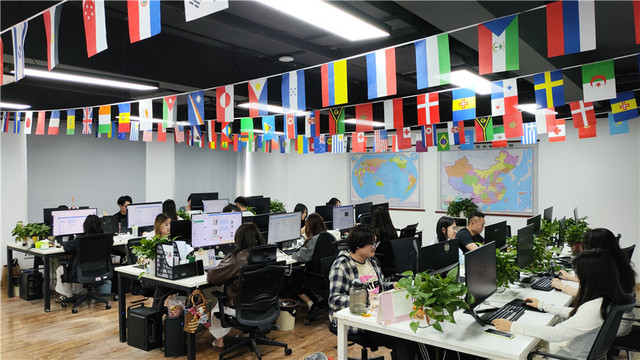
Hangzhou Cencal Home Co., Ltd. is a professional Chinese manufacturer specializing in expandable houses, foldable houses, modular prefabricated buildings, and customized portable housing solutions. With years of experience in the prefabricated construction industry, we are committed to delivering innovative, durable, and cost-effective space solutions for customers worldwide.
Our product portfolio includes expandable container houses, foldable container homes, modular houses, portable cabins, tiny houses, site offices, labor accommodation units, emergency shelters, guard houses, classrooms, medical clinics, and customized prefabricated buildings. Designed for rapid deployment and convenient transportation, our structures significantly reduce installation time and labor costs while maintaining excellent strength, thermal insulation, and long-term durability.
Cencal Home integrates modern manufacturing technology with strict quality control throughout every production stage. Our engineering team provides comprehensive customization services, including floor plan optimization, insulation options, electrical systems, plumbing, interior finishes, windows, doors, roofing, and exterior decoration to meet diverse residential, commercial, industrial, and humanitarian project requirements.
Our products are manufactured using high-quality galvanized steel structures and premium building materials that comply with international quality standards. They are widely used for construction camps, mining sites, tourism resorts, disaster relief projects, healthcare facilities, educational buildings, temporary offices, and permanent residential communities.
Driven by innovation, reliability, and customer satisfaction, Hangzhou Cencal Home continuously invests in product development and manufacturing efficiency to provide smarter modular housing solutions for global markets. We have established long-term partnerships with clients across Europe, North America, South America, Southeast Asia, the Middle East, Africa, and Oceania.
As your trusted expandable house manufacturer in China, Cencal Home is dedicated to providing high-quality prefabricated housing products, flexible OEM and ODM services, competitive pricing, and professional technical support. We look forward to building sustainable living and working spaces together with customers around the world.
Expert answers to common engineering, logistical, and commercial inquiries
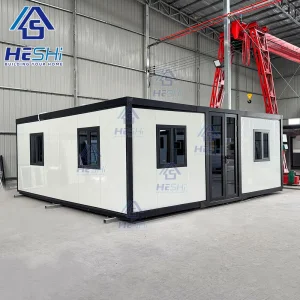
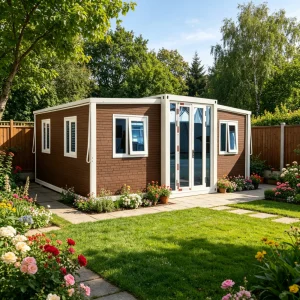
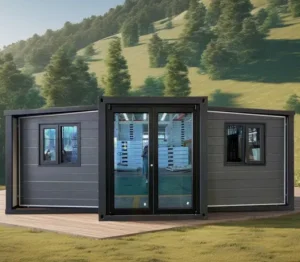
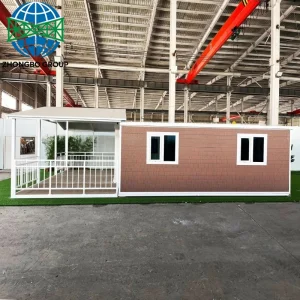
Additional modular buildings and custom expandable units for worldwide shipping
 Cencal Home