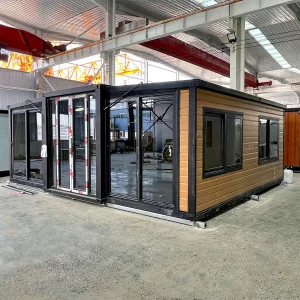
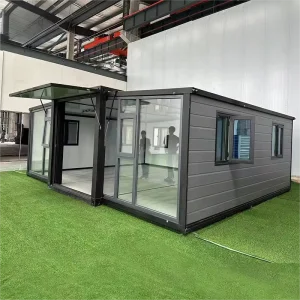
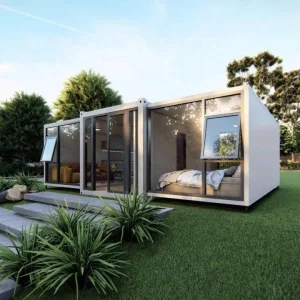
Explore our premium range of expandable container houses and modular structures designed for rapid local deployment in Indonesia.
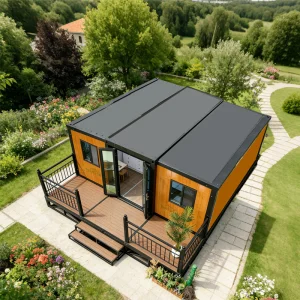
Indonesia is undergoing a historic infrastructure revolution. Fueled by mega-projects like the development of the new capital city, IKN Nusantara in East Kalimantan, alongside expanding mining operations in Sulawesi and Halmahera, the demand for fast, resilient, and highly adaptable housing systems is surging. Traditional stick-built construction methods struggle to match the speed, cost-efficiency, and environmental demands required in these remote locations.
Indonesia's archipelagic geography demands modular systems that can be flattened or nested for efficient transport by sea barge, landing craft, and rugged overland transport, and rapidly expanded upon site arrival.
Located on the Pacific Ring of Fire, Indonesia requires structural engineering compliant with high seismic load requirements. Steel-framed expandable container homes offer high structural elasticity compared to brittle brick masonry structures.
As a leading supplier of modular structures, Hangzhou Cencal Home Co., Ltd. addresses these systemic challenges by engineering expandable houses built on high-tensile galvanized steel chassis. Our systems can withstand earthquakes up to Richter Scale 8, wind loads up to 120 km/h, and heavy tropical rain loads characteristic of regions like Sumatra, Java, and Papua. This technical profile offers unprecedented safety margins for industrial operations and residential applications alike.
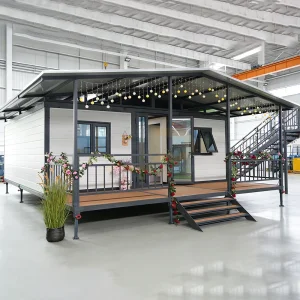
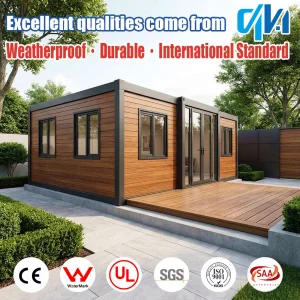
Premium architectural configurations adapted for diverse commercial projects, including eco-resorts, office spaces, and multi-bedroom villas.
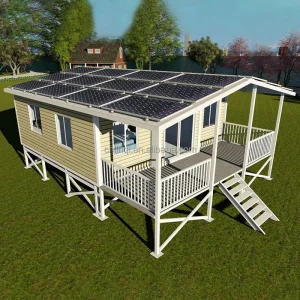
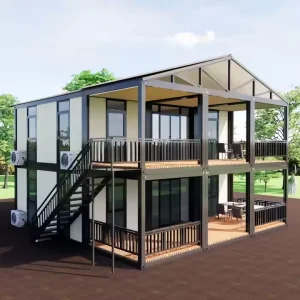
Tropical deployment entails aggressive humidity, high ambient heat, salt-laden coastal atmospheres, and biological vectors such as termites. Standard modular building designs without localized modifications often fail within 3 to 5 years. Cencal Home’s engineering team has designed a dedicated product adaptation roadmap for the Indonesian market:
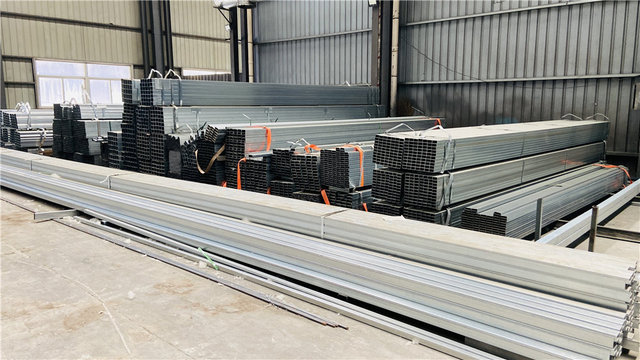
“True durability in the tropics is achieved at the atomic level. Our steel structural components undergo high-grade hot-dip galvanization with a minimum zinc coating density of 275g/m², yielding an ISO C4-class corrosion environment certification suitable for marine and coastal installation environments in Bali, Lombok, and various outer islands.”
Under the intense sun of Kalimantan or Jakarta, ambient heat transfer into metal structures poses a significant HVAC challenge. To address this, Cencal Home utilizes Polyurethane (PU) injection sandwich panels or high-density Rockwool walls with a thickness of 75mm to 100mm. These panels boast low thermal conductivity (U-values down to 0.35 W/m²K). We integrate reflective roofing sheets and double-glazed, Argon gas-filled Low-E glass windows, which reduce indoor heat load by up to 60%, drastically cutting down electricity bills from split-system air conditioners.
Standard modular units are typically anchored with simple concrete blocks. For Indonesia's active fault lines, we design expandable houses that interface with localized concrete pad foundations or screw-piles. Our engineering team supplies complete structural drawings (CAD & Revit files) outlining localized load transfers. This allows Indonesian structural engineers to confidently approve designs according to local SNI (Standar Nasional Indonesia) regulations.
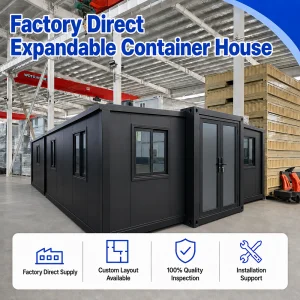
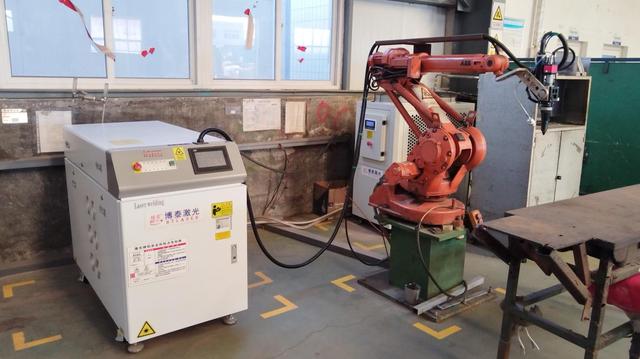
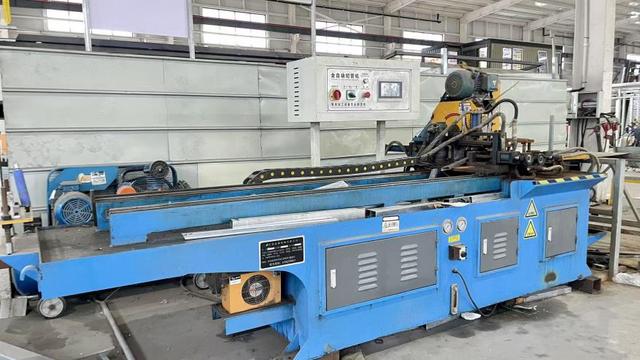
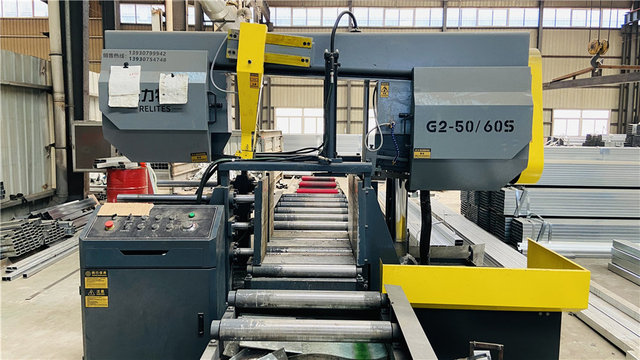
Sourcing modular units from Hangzhou Cencal Home allows regional buyers to tap into China’s premier steel-fabrication cluster. Located in Zhejiang, our state-of-the-art facility integrates automated steel bending, laser cutting, and robotic-arm welding lines to produce structures with millimeter-level precision. This high degree of automation translates into tangible business advantages for developers and corporate buyers in Indonesia:
Robotic frame production guarantees that all hinges, slide-tracks, and hydraulic support struts align perfectly when expanding the structure on-site. This eliminates manual error during fast-tracked setups.
Every modular unit is pre-assembled, pressure-tested for water tightness under simulated monsoonal downpours, and checked for electrical continuity before being folded, packed, and loaded for shipping.
Our scaling capacity permits production of up to 500 standardized units per month, assuring prompt project cycle turnarounds even for large-scale mining camps or disaster response efforts.
Logistical synergy is also highly optimized. Standard shipping formats allow two to three 20ft expandable units to fit inside a single 40ft high-cube (HQ) shipping container. Shipping from Ningbo or Shanghai port straight to Tanjung Priok (Jakarta), Tanjung Perak (Surabaya), or Semayang (Balikpapan) is highly efficient, reducing transit times to approximately 10 to 14 days.
Deploy custom-made, code-compliant, and durable modular spaces globally. Fully compatible with Indonesian construction environments.
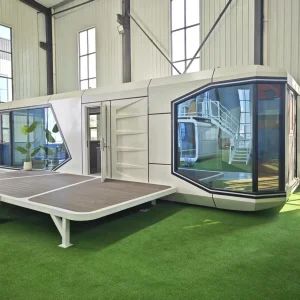
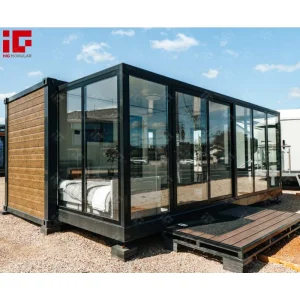
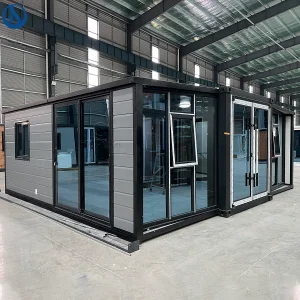
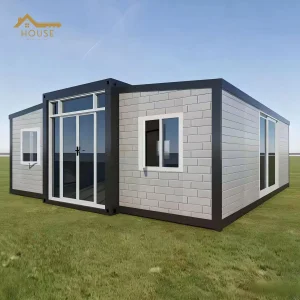
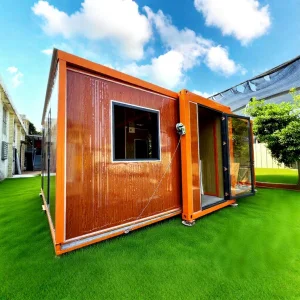
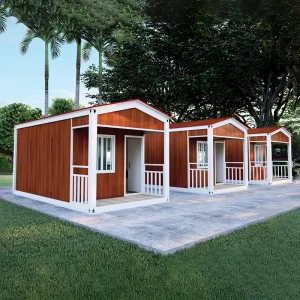
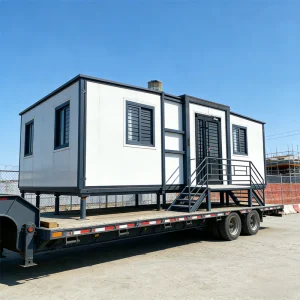
Prefabricated modular expandable houses are not just temporary structures—they serve as high-performance, cost-effective infrastructure assets that solve critical bottlenecks in major Indonesian industries:
Mining operations require rapidly built worker camps (Mess Karyawan) that maintain high standards of structural safety, hygiene, and thermal comfort. Our modular configurations allow mining groups to erect compound villages housing hundreds of personnel within days. The durability of the steel framework ensures these camps can be folded, transported, and re-assembled at a new exploratory site once the mining yield shifts, maximizing asset utilization.
Boutique resort developers are seeking architectural aesthetics that blend naturally with environmental settings while offering minimal disruption during installation. Our luxury capsule houses and customized tiny homes deliver stunning modern villas with floor-to-ceiling glass fronts. Because they require minimal foundation work, developers can avoid destroying natural topsoil, lush palms, or coastal formations during construction, qualifying these projects for international sustainable development certifications.
When natural disasters hit, rapid containment and emergency medical/housing facilities are required. Because Cencal Home’s expandable houses deploy within 2 hours of site arrival and come pre-wired for immediate power connection, local governments and NGOs can quickly establish fully functional medical clinics, temporary schools, and safety shelters.
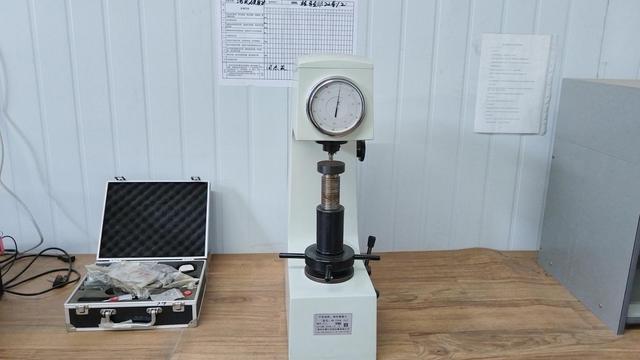
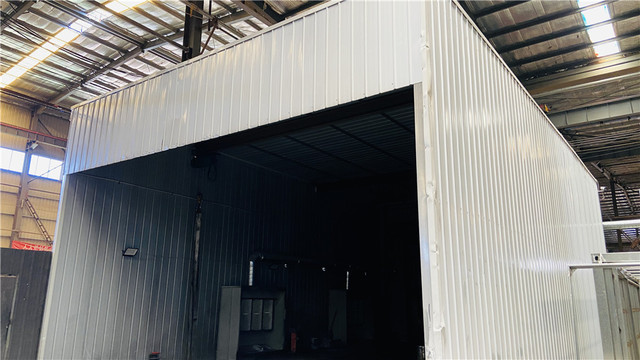
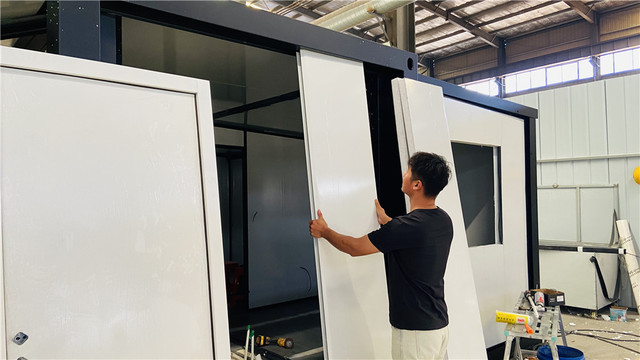
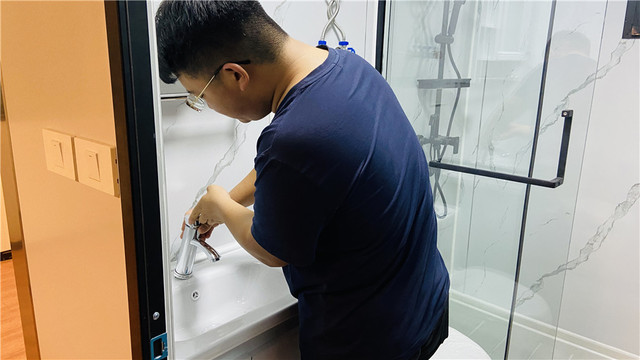
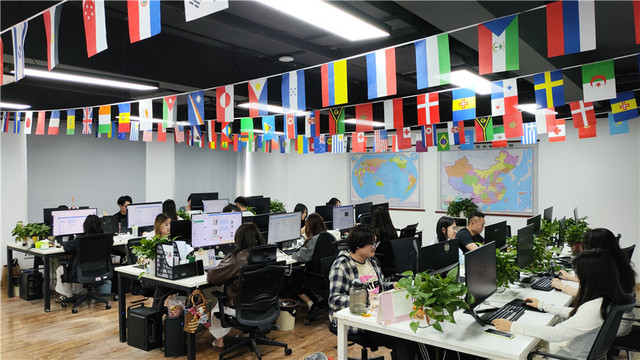
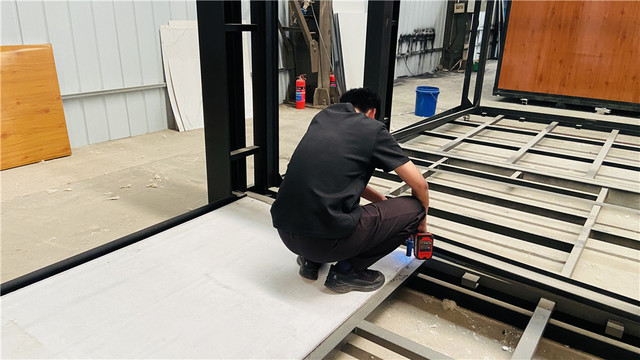
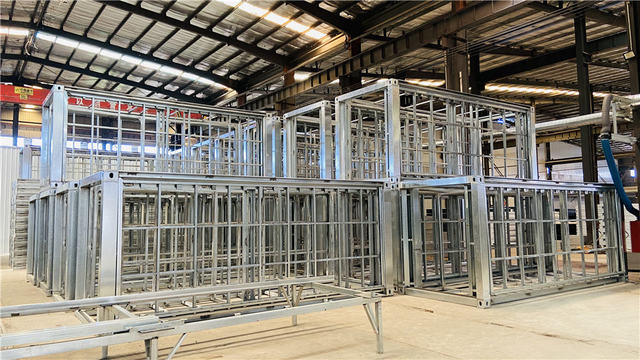
Hangzhou Cencal Home's advanced manufacturing capabilities, highlighting assembly lines, materials, structural strength, and loading operations.
Entering the Indonesian construction sector requires absolute clarity regarding imports, standards, and code adherence. Hangzhou Cencal Home is fully prepared to assist Indonesian project management partners at every tier:
Working closely with local Indonesian import partners (under local PT structures), we provide standardized product HS Codes, clean Bills of Lading, and structural certificates that match local shipping clearance requirements. This ensures our shipments clear major Indonesian custom terminals efficiently without hidden cost overheads.
Unlike Western systems that use different line voltages, our structures are optimized with internal cabling systems that support Indonesia's 220V/50Hz grid standards. Outlets, switches, and circuit distribution boards conform to Indonesian safety certifications (SNI). Out of the box, our electrical installations are designed for plug-and-play connection directly to PLN power grids or site generators.
Get instant answers regarding structural performance, transport logistics, and site installation of expandable houses in Indonesia.
 Cencal Home