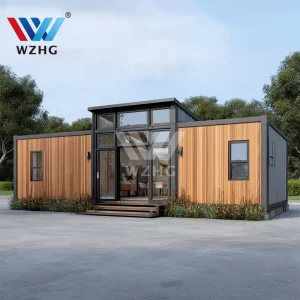
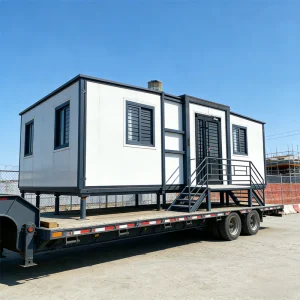
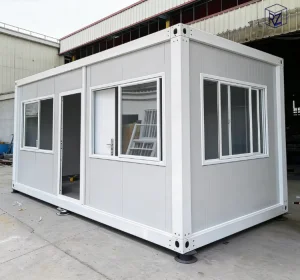
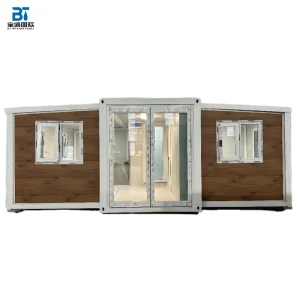
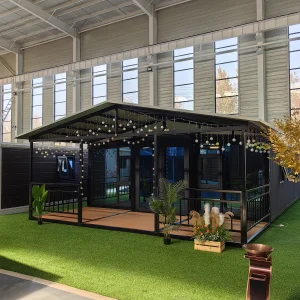
Engineered modular systems designed for strategic disaster response, military mobilization, and fast-assembly field housing.
In an era categorized by increasing meteorological volatility, escalating geopolitical friction, and sudden public health threats, standard brick-and-mortar development methodologies fail to deliver quick infrastructure deployment. Hangzhou Cencal Home Co., Ltd. stands as a critical actor in the supply of high-grade Expandable Disaster Response Units. By integrating complex structural engineering with high-capacity logistics capabilities, we produce modular units that shift from transit configuration to operational setups within minutes.
Our OEM/ODM pipeline focuses on structural integrity, thermal efficiencies, and integrated plumbing and electrical interfaces. We deliver units built for extreme deployment conditions, assuring civil, medical, and rescue organizations that life-support systems will perform when deployed on short notice.
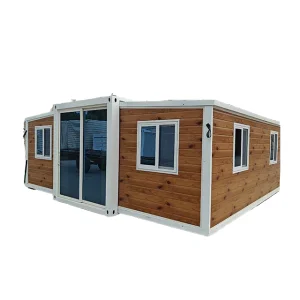
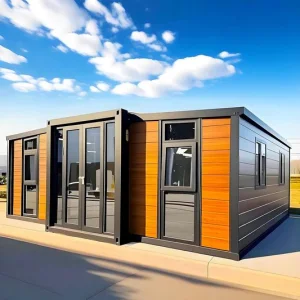
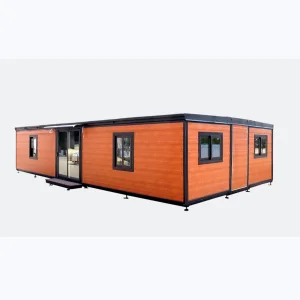
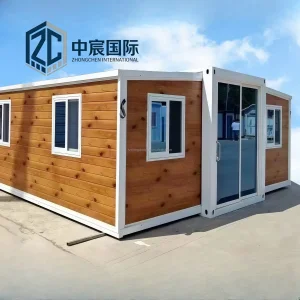
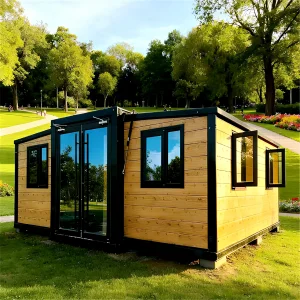
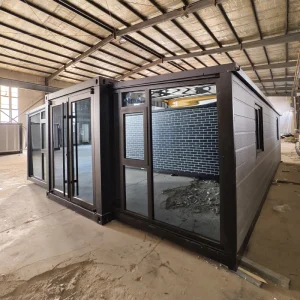
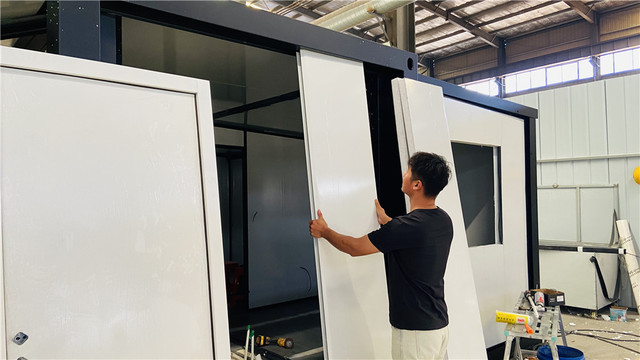
Dual-wing swing mechanics permit 1-hour deployment. High-tensile pivot systems enable manual setup by minimal crew without crane assistance.
Utilizes advanced polyurethane (PU), mineral rockwool, or EPS sandwich panels ensuring structural compliance for sub-zero and desert climates.
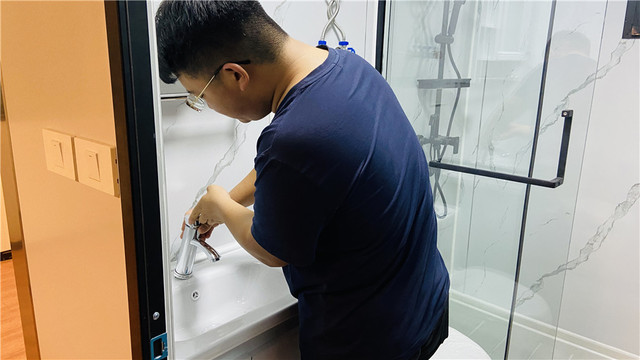
Factory-integrated, pre-certified electrical runs and high-volume drainage manifolds, supporting quick hookups to regional grid systems.
At Hangzhou Cencal Home Co., Ltd., our engineering division works continuously on modular design enhancements. Over the next five years, our technological path shifts toward smart off-grid capabilities, lighter-weight structural alloys, and sustainable material science.
Traditional structural units are often heavy and suffer from thermal transfer limitations. Cencal Home is actively developing vacuum-insulated panels (VIPs) and phase-change material (PCM) membranes within our sandwich panel configurations. This integration will lower energy consumption for HVAC setups in extreme zones by up to 35%, ensuring high performance in cold or desert climates.
Future iterations of our Expandable Disaster Response Units will include smart diagnostic interfaces. Using integrated strain gauges, ambient humidity micro-sensors, and solar power monitors, command teams can evaluate the status of emergency housing units from central hubs. This integration ensures safety during post-disaster tremors or ongoing structural loads.
Through our advanced ODM pipeline, we are developing roof-integrated thin-film solar (CIGS) designs that deploy alongside the wings. When combined with integrated graywater purification systems, these units can operate independently of local utility lines, which is essential for remote operations.
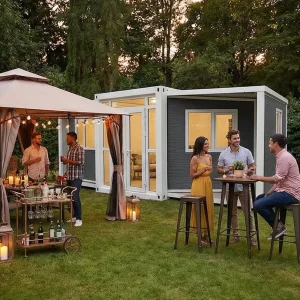
Emergency infrastructure needs vary by industry. Cencal Home designs bespoke units for military, medical, civil, and corporate operations.
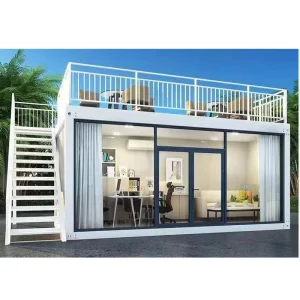
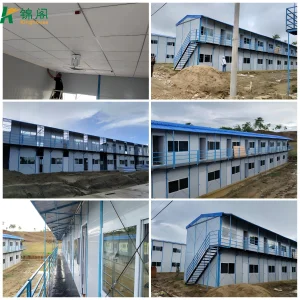
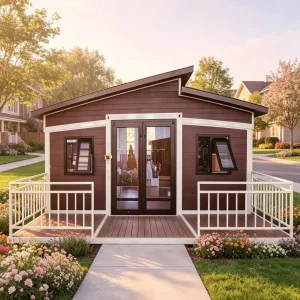
In earthquake, flood, or hurricane recovery efforts, providing shelter is the top priority. Our K-Type modular complexes and dual-wing folding houses serve as immediate community centers, temporary homes, and operations centers. These structures offer security, privacy, and utility connectivity, supporting local recovery efforts.
Health emergencies require clean, controlled clinical spaces. Our modular expandable medical container houses can be customized with antimicrobial wall panels, HEPA filtration integration, and layout separation for triage, operations, and recovery. They arrive pre-plumbed and pre-wired to meet regional health regulations.
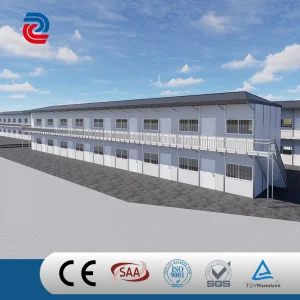
Oil, gas, and mining projects are often located in remote areas. Our temporary staff accommodations ensure safe housing for remote workforces. These insulated modular complexes feature strong steel structures, high wind tolerance, and clean designs, keeping workers comfortable in tough settings.
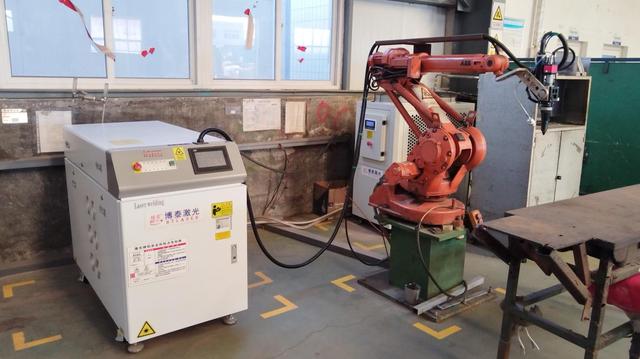
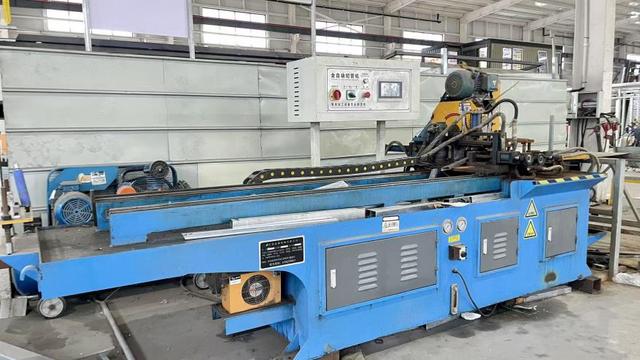
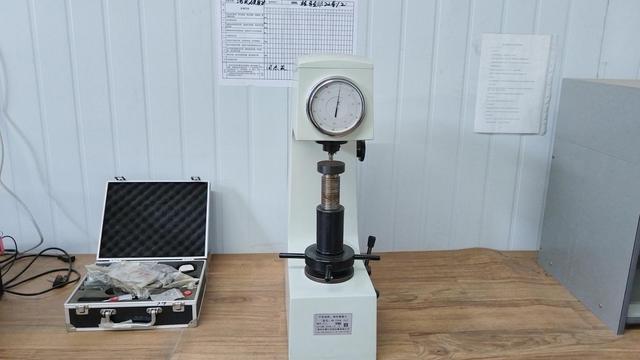
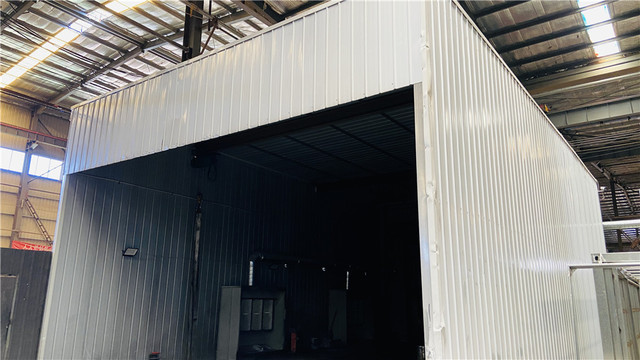
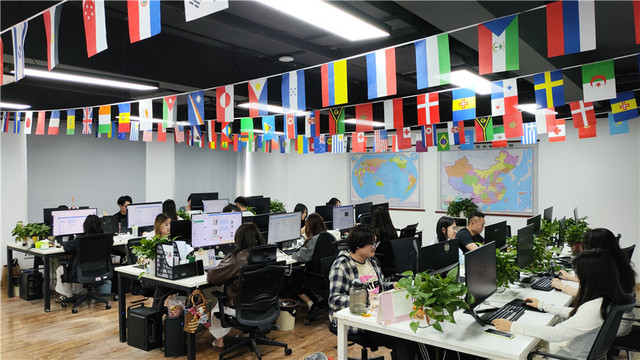
Hangzhou Cencal Home Co., Ltd. runs advanced manufacturing centers in Zhejiang, China. Our facilities combine digital workflow management with precision machinery to ensure high-capacity production output.
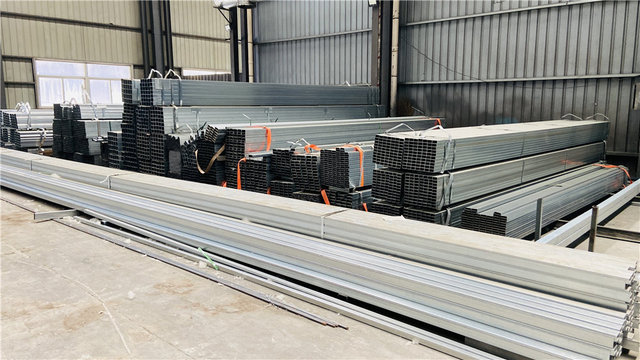
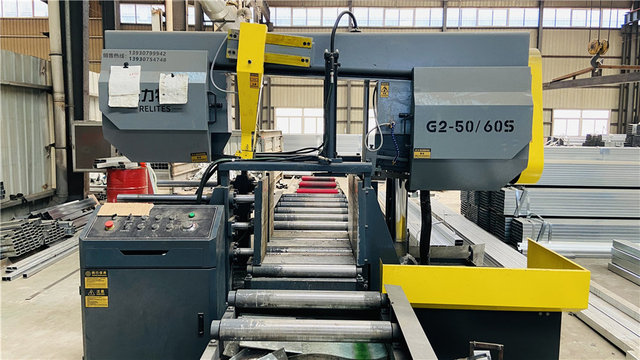
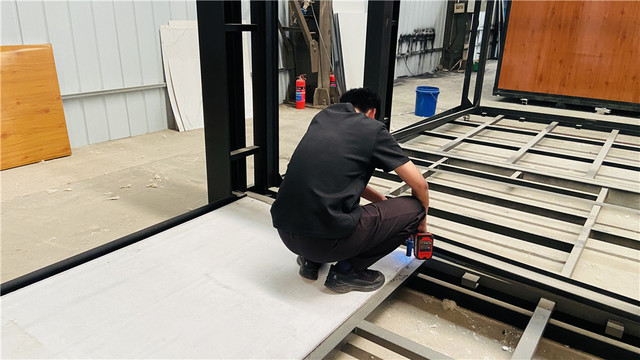
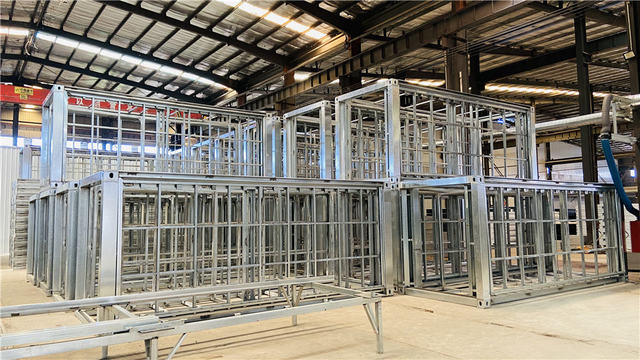
Our structures start with high-grade galvanized steel sheets. Automated CNC cutting machines and laser welders frame each unit, keeping structural variances under 1.0mm. This precision ensures that when wings fold, tolerances remain tight, preserving water seals and airtight joints.
Located near major marine shipping hubs (Ningbo and Shanghai ports), Cencal Home has quick access to global shipping lanes. We source steel, panels, plumbing, and electrical components directly from raw material suppliers, buffering production timelines against global market volatility. During shipping, our expandable units collapse into standard container dimensions, reducing ocean freight costs per square foot.
Deploying emergency structures globally requires meeting regional regulatory, environmental, and building codes. Cencal Home designs modules to comply with global construction guidelines.
Our engineering division calculates structural designs using finite element analysis (FEA) to confirm wind load stability up to 120 km/h (Class 11-12 Typhoons) and seismic performance up to Richter Magnitude 8. Our roofs handle high snow loads, making them suitable for cold-climate regions like Northern Europe and Canada.
Whether using 110V US NEMA fittings, 230V EU Schuko systems, or Australian AS/NZS standards, all electrical wiring is run through fire-retardant conduits with built-in leakage protection. Water supply pipelines use certified PEX/PPR materials, meeting safety guidelines for drinking water systems.
Purchasing large quantities of disaster response infrastructure requires clear specifications, reliable delivery, and strict quality control. Cencal Home provides a transparent OEM/ODM workflow for global buyers:
Get detailed answers about technical specifications, custom designs, shipping, and installation.
Explore our range of expandable and modular designs, built for diverse residential, commercial, and humanitarian needs.
 Cencal Home