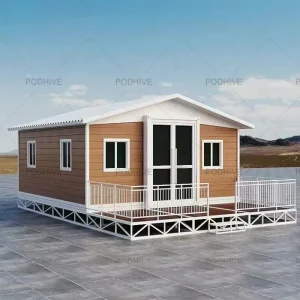
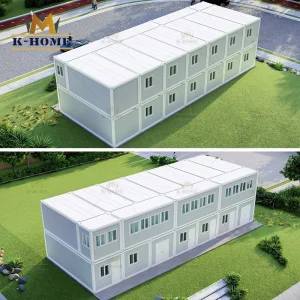
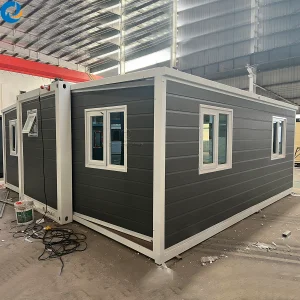
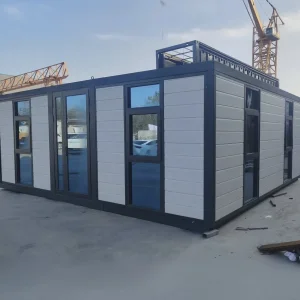
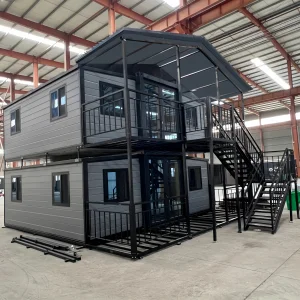
Explore our high-density galvanized steel expandable cabins. Featuring modular double-wing mechanisms, rapid hydraulic/manual setup, and integrated washrooms.
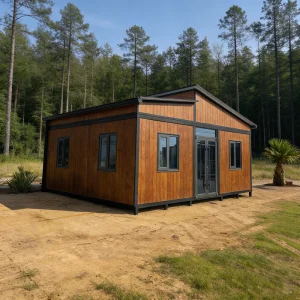
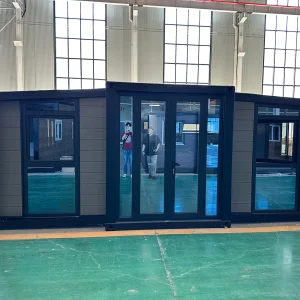
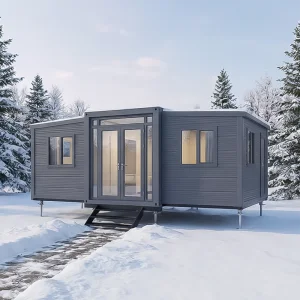
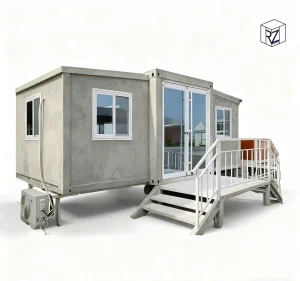
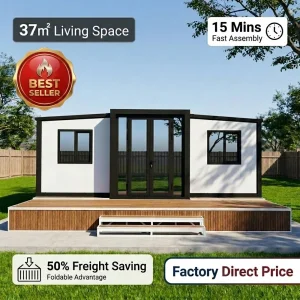
Analyzing how shifting consumer preferences, economic adjustments, and structural innovations drive the adoption of expandable structures in the outdoor tourism and commercial fishing industries.
The outdoor recreation sector is undergoing a massive transformation. Modern travelers and anglers seek locations far from crowded cities. Traditional concrete construction in remote lakeside locations is often impossible. Tight environmental zoning regulations, high on-site labor costs, and long construction times prevent building standard hotels or permanent concrete structures.
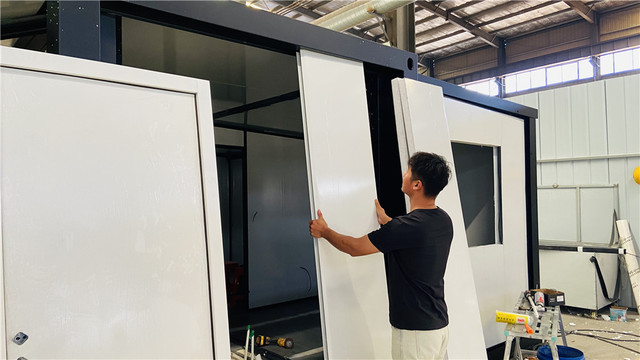
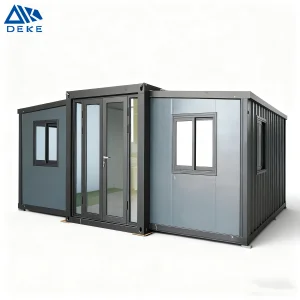
Expandable cabins solve these problems. These modular buildings fold down to fit inside a standard ISO shipping container footprint during transport, making them easy to ship. Once delivered, they expand into comfortable, multi-room spaces with built-in kitchens, bathrooms, and electrical wiring. This rapid setup allows hospitality developers and fishing resort operators to install guest rooms in days rather than months.
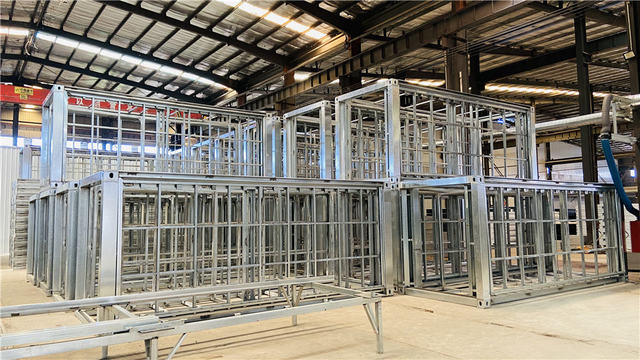
Lakesides, rivers, and coastal areas have high humidity, salty air, and fast-changing weather. Standard timber houses rot and warp, requiring frequent repair. Expandable cabins are built with hot-dip galvanized steel frames and multi-layer insulated walls, providing strong weather protection.
Equipped with polyurethane (PU), rockwool, or polystyrene (EPS) sandwich panels, these units prevent thermal bridging and handle temperatures from -20°C to +50°C. Heavy-duty seals prevent water leakage during storms, and structural testing ensures they can withstand winds up to 110-120 km/h (equivalent to Grade 10-11 winds) and Grade 8 earthquakes.
China leads the global prefabricated modular building market. From high-grade steel manufacturing to large-scale production, Chinese manufacturers deliver cost-effective and reliable housing solutions.
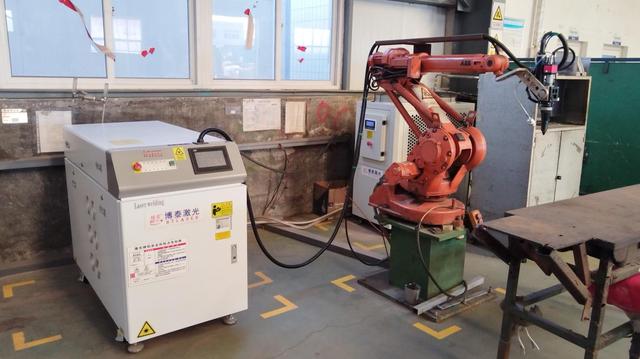
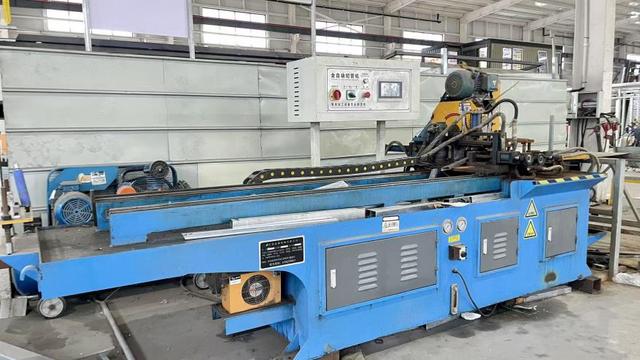
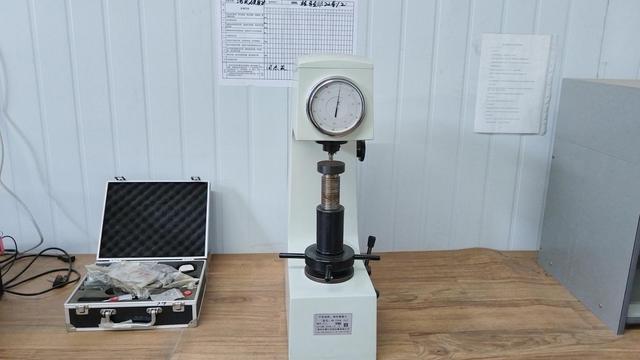
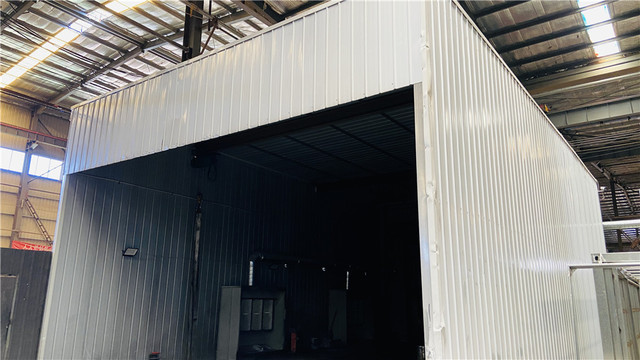
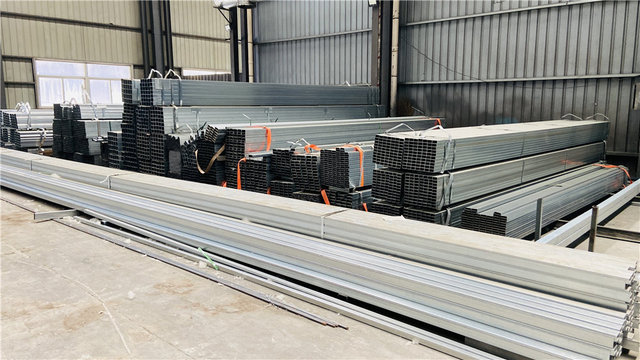
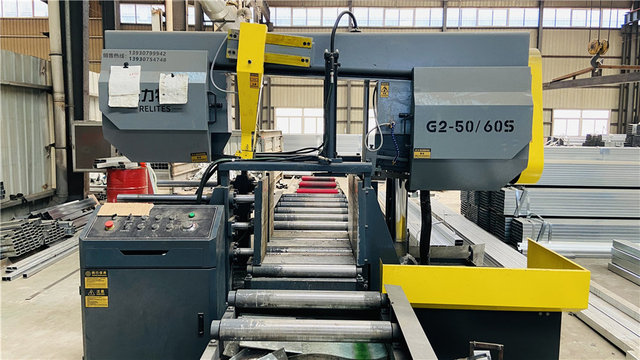
Chinese factories source hot-dip galvanized steel directly from top national mills. Large-scale production lowers costs, allowing us to pass the savings on to our clients. Automated laser cutting, robotic welding, and standard assembly lines ensure every cabin meets exact structural specifications.
Our engineering teams use advanced 3D CAD and Revit software to optimize floor plans. Double-wing cabins fold to just 2.2 meters wide for shipping and expand to 5.9 meters wide when unfolded, maximizing usable floor space while minimizing shipping fees.
Located near major deep-water ports like Shanghai and Ningbo, our factories offer fast shipping to Europe, North America, Australia, and Southeast Asia. We pack cabins securely with all internal fixtures pre-installed, preventing damage during transit and speeding up local delivery.
Discover how developers and outdoor operators configure expandable cabins to match localized environmental challenges and zoning laws worldwide.
In cold regions like Alaska, Northern Canada, Sweden, and Norway, ice fishing cabins must withstand heavy snow loads and freezing temperatures. Standard designs often struggle in these conditions.
Configuration: Cabins for cold regions feature 75mm or 100mm polyurethane (PU) sandwich panels, which offer better thermal performance than standard EPS. Double-glazed argon-filled windows prevent heat loss. Heavy-duty roof structures support snow loads up to 1.5 kN/m², and the interior is wired for high-wattage space heaters or wood-burning stoves.
Coastal resorts face high humidity, salt spray, and strong winds. Standard metal components rust quickly, leading to structural damage.
Configuration: Marine-grade cabins feature Q235B steel frames treated with hot-dip galvanization (minimum coating thickness: 80μm) and finished with epoxy zinc-rich paint. All exterior fasteners and hinges are made of 316 marine-grade stainless steel to prevent rust. High-performance PVC wall claddings protect against UV fading and salty air.
In areas without power, water, or roads, setting up a camp is a major challenge. Off-grid systems are necessary to make these remote cabins functional.
Configuration: Cabins are customized with roof-mounted monocrystalline solar panel kits (3kW to 10kW) and lithium-iron-phosphate (LiFePO4) battery banks. Graywater and blackwater plumbing lines are separated, routing wastewater to local bio-digesters or septic systems. Rainwater collection systems are integrated into the roof gutters.
Commercial fishing companies need affordable, safe, and mobile housing for seasonal workers during peak fishing periods.
Configuration: 40ft expandable structures can be divided into multi-bed bunkhouses with built-in washrooms, shower stalls, and durable locker storage. They are built with easy-to-clean medical-grade interior wall panels and non-slip commercial flooring, providing a hygienic and low-maintenance environment for workers.
Understanding these technical parameters is essential for commercial buyers, engineers, and resort developers to ensure structural compliance with local building codes.
| Structural Element | Technical Parameters & Standards | Performance Metrics |
|---|---|---|
| Primary Steel Frame | Hot-Dip Galvanized Q235B Steel, 2.5mm to 3.0mm thickness | Minimum zinc coating 80g/m²; structural yield strength 235 MPa |
| Wall Panels | 75mm High-Density EPS / Polyurethane (PU) / Rockwool sandwich core | Thermal Conductivity: PU ≤ 0.024 W/(m·K); Fire-retardant rating: Class A1/B1 |
| Roofing Structure | Multi-layer insulated steel sheet with built-in drainage gutters | Snow load capacity: 1.2 - 1.5 kN/m² |
| Floor Framework | 18mm Fiber cement board with waterproof PVC floor leather overlay | Live load capacity: 2.5 kN/m²; moisture and rot resistant |
| Windows & Entry Doors | Double-pane tempered glass (5mm+9A+5mm) with Aluminum frames | Sound transmission loss: ≥ 35dB; wind pressure resistance class 6 |
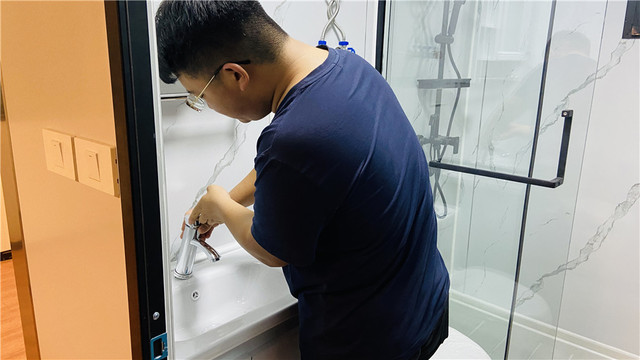
| Integrated Bathroom | Pre-installed shower tray, ceramic toilet, vanity, and PVC exhaust fan | CE & WaterMark compliant plumbing with anti-clog traps |
| Electrical Systems | Pre-wired distribution box, circuit breakers, LED lighting, & power sockets | Customized to national standards: AS/NZS (Australia), NEC (USA), CE (Europe) |
Importing prefabricated structures requires attention to compliance, shipping, and setup. Here is how we help buyers ensure a smooth importing process.
Different markets have strict rules for electrical systems, plumbing, and structural wind resistance. Importing non-compliant units can lead to customs delays, fines, or failed building inspections.
International shipping rates significantly affect overall costs. Maximizing container space is key to reducing expenses.
A professional Chinese manufacturer specializing in expandable houses, modular prefabricated buildings, and customized portable housing solutions.
Hangzhou Cencal Home Co., Ltd. is a professional Chinese manufacturer specializing in expandable houses, foldable houses, modular prefabricated buildings, and customized portable housing solutions. With years of experience in the prefabricated construction industry, we are committed to delivering innovative, durable, and cost-effective space solutions for customers worldwide.
Our product portfolio includes expandable container houses, foldable container homes, modular houses, portable cabins, tiny houses, site offices, labor accommodation units, emergency shelters, guard houses, classrooms, medical clinics, and customized prefabricated buildings. Designed for rapid deployment and convenient transportation, our structures significantly reduce installation time and labor costs while maintaining excellent strength, thermal insulation, and long-term durability.
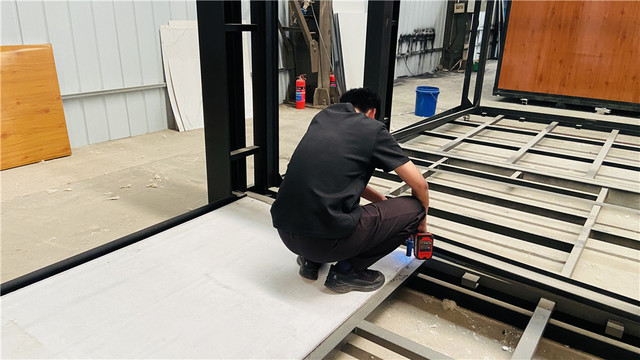
Cencal Home integrates modern manufacturing technology with strict quality control throughout every production stage. Our engineering team provides comprehensive customization services, including floor plan optimization, insulation options, electrical systems, plumbing, interior finishes, windows, doors, roofing, and exterior decoration to meet diverse residential, commercial, industrial, and humanitarian project requirements.
Our products are manufactured using high-quality galvanized steel structures and premium building materials that comply with international quality standards. They are widely used for construction camps, mining sites, tourism resorts, disaster relief projects, healthcare facilities, educational buildings, temporary offices, and permanent residential communities.
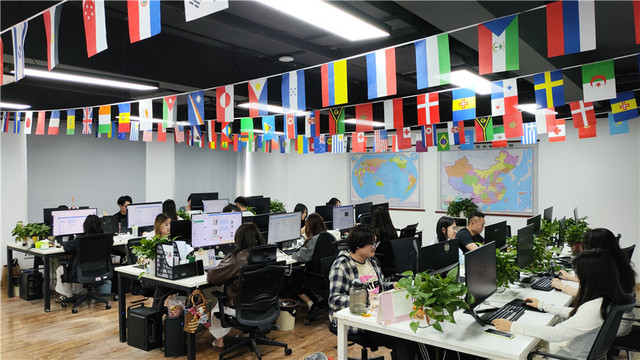
Driven by innovation, reliability, and customer satisfaction, Hangzhou Cencal Home continuously invests in product development and manufacturing efficiency to provide smarter modular housing solutions for global markets. We have established long-term partnerships with clients across Europe, North America, South America, Southeast Asia, the Middle East, Africa, and Oceania.
As your trusted expandable house manufacturer in China, Cencal Home is dedicated to providing high-quality prefabricated housing products, flexible OEM and ODM services, competitive pricing, and professional technical support. We look forward to building sustainable living and working spaces together with customers around the world.
Get answers to common technical, logistics, and customization questions about our prefabricated and expandable cabins.
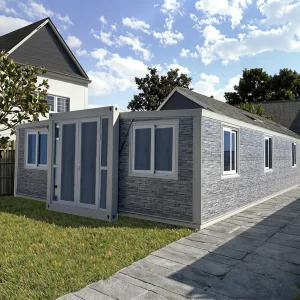
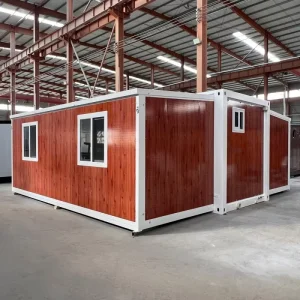
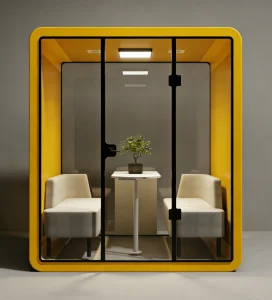
Explore our additional selection of modular expandable cabins, acoustic units, and temporary site buildings engineered for flexible installation.
 Cencal Home