Pioneering structural configurations optimized for quick tactical execution, resilient civil defense operations, and medical isolation command nodes in Singapore.

As a global trade nexus and hyper-dense city-state, Singapore occupies a unique strategic position in Southeast Asia. This geographical reality mandates highly advanced preparedness metrics for civil defense, industrial accident mitigation, and regional humanitarian logistics. The Singapore Civil Defence Force (SCDF) maintains some of the most rigorous public shelter frameworks globally, focusing on rapid response capabilities, structural integrity, and long-term modular deployment. Furthermore, with the expansion of high-value industrial sectors in Jurong Island, the Tuas Megaport development, and advanced semiconductor hubs across the island, the demand for modular, blast-resistant, and climate-controlled temporary structures has surged.
Historically reliant on heavy concrete or temporary canvas structures, Singapore's construction, municipal defense, and emergency health services are undergoing a significant transition. Progressive guidelines set by the Building and Construction Authority (BCA) and environmental sustainability frameworks (such as the Green Mark Scheme) actively encourage the adoption of Advanced Prefabricated Prefinished Volumetric Construction (PPVC). In the context of disaster recovery, epidemic control, and humanitarian response, the traditional procurement model has shifted towards modular, expandable steel-frame shelters that can be deployed within minutes rather than weeks. This shift ensures minimal disruption to critical urban operations while maintaining the highest structural reliability standards under tropical conditions.
Singapore’s microclimate and dense urban layout impose strict structural requirements on emergency shelter design. Key environmental and physical parameters that Hangzhou Cencal Home Co., Ltd. addresses for the Singapore market include:
Technical capabilities designed to meet the rigid demands of engineering consultants and emergency services in Singapore.
Globally, the emergency response landscape has been transformed by a shift in frequency and intensity of catastrophic weather events, geodynamic disruptions, and public health situations. In response, international relief bodies (such as the United Nations, WHO, and regional organizations like the ASEAN Coordinating Centre for Humanitarian Assistance on disaster management - AHA Centre) have standardized rapid-deployment shelter frameworks. The focus is no longer just on providing temporary coverage, but on securing human dignity, sanitation, and physical safety through high-quality modular housing.
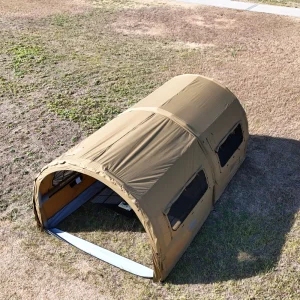
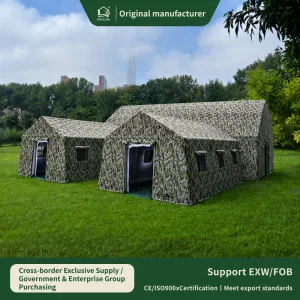
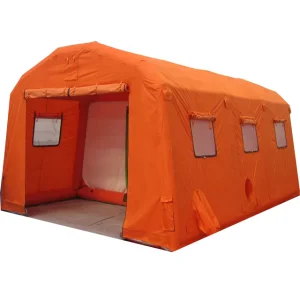
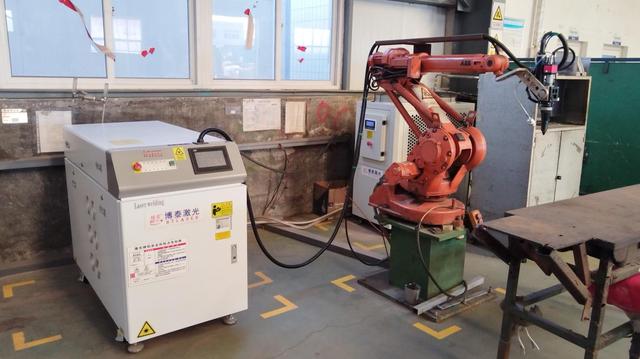
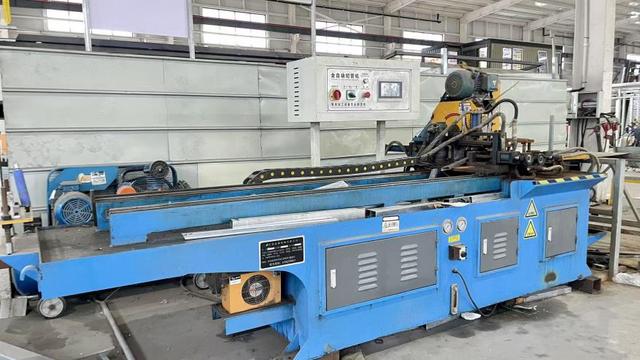
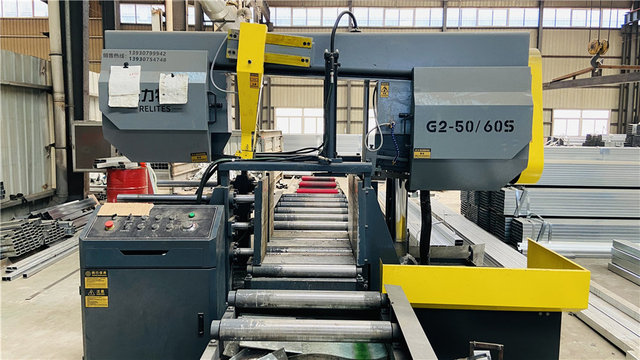
The transition from fabric-only tent structures to hybrid, expandable, and foldable hard-walled container shelters represents a significant technological advancement. Modern emergency shelter factories have integrated automated CNC profile bending, robotic welding systems, and advanced composite materials processing lines to ensure consistency. These advancements allow factories to produce hundreds of modular units daily, ready to be flat-packed and shipped globally via intermodal freight containers. By minimizing freight volume through fold-down configurations, shipping logistics are optimized, allowing one standard cargo vessel to carry shelter capacity for thousands of displaced persons or field hospital operations.
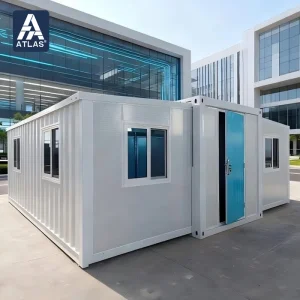
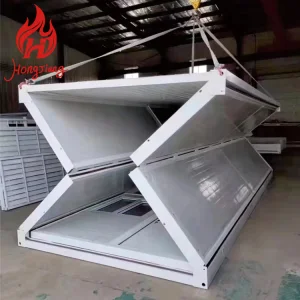
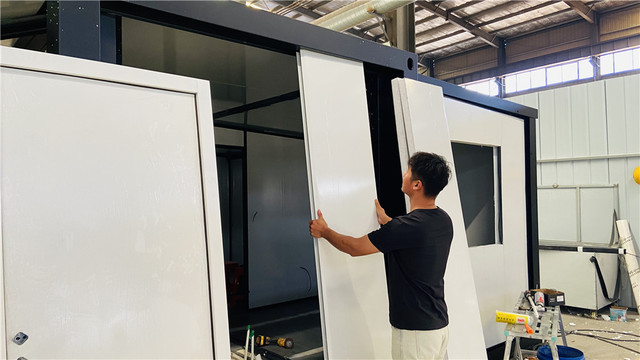
The core mechanism of an expandable container shelter relies on specialized mechanical hinge layouts, gas-assisted struts, and structural slide-out rails. This engineering allows a standard shipping container footprint to expand its functional floor space by 200% to 300% upon arrival. For instance, a 20ft container module, with a road-legal transport width of 2.2 meters, can expand to 5.9 meters wide in under 15 minutes. The structural frame remains anchored by a primary central chassis, ensuring that during the expansion phase, the structural integrity of the roof and floor panels is not compromised, keeping wind and water seals completely intact.
At Hangzhou Cencal Home Co., Ltd., our engineering principles focus on durability, scalability, and safety. We construct our expandable shelters with precise structural calculations to withstand diverse stresses. The material selection process is governed by international structural codes (including Eurocode 3 for steel structures and local BCA guidelines where applicable).
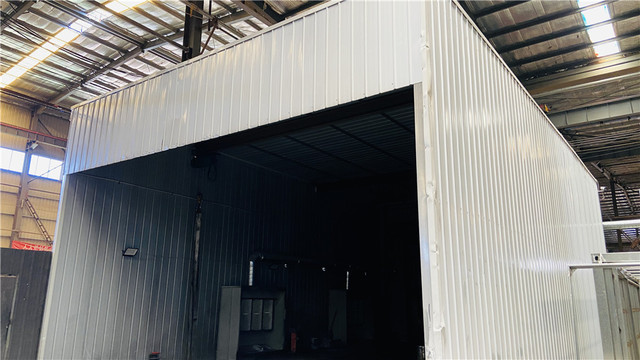
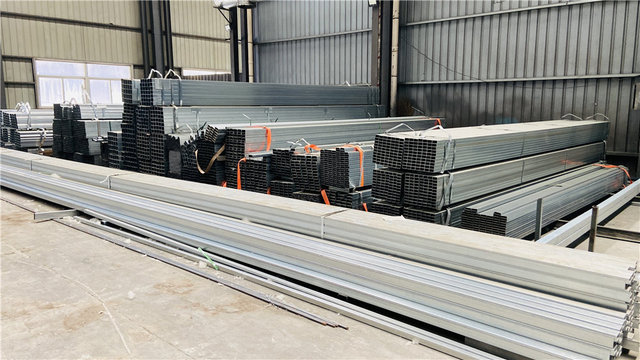
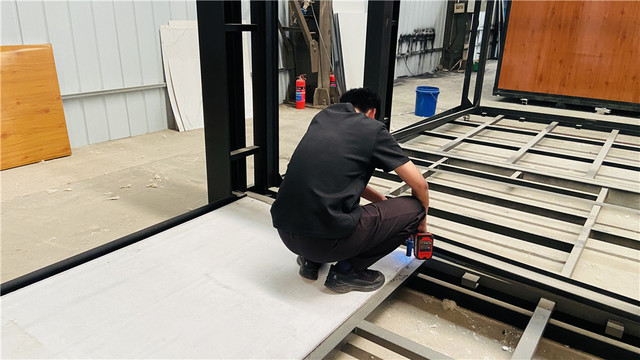
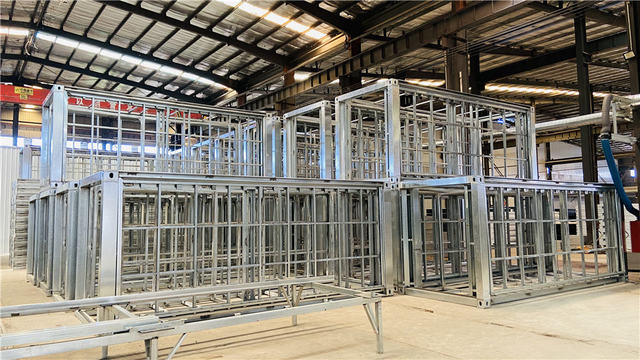
The main structural skeleton is cold-formed from high-tensile structural steel profiles (typically Q235B or Q345B, corresponding to grade S235 and S355 respectively under European standards). Following fabrication, the components undergo hot-dip galvanization with a minimum zinc coating thickness of 80g/m² to 120g/m². This protective layer is supplemented by an electrostatic powder coating to withstand Singapore’s highly corrosive, marine-influenced atmospheric conditions.
To reduce energy consumption from localized air conditioning units, the structural walls are composed of sandwich panels featuring different core options based on project requirements:
To prevent water ingress during intense tropical monsoons, all folding joints are equipped with double-layered EPDM rubber sealing strips. These gaskets maintain elasticity across temperatures ranging from -30°C to +70°C, ensuring a continuous seal as the structure expands and contracts. Key joints are protected by external windproof aluminum alloy flashing profiles, channeling rainwater away from mechanical connection points.
Our modular systems are engineered for diverse scenarios, providing versatile solutions across public, commercial, and industrial projects in Singapore:
Under national safety frameworks, having rapidly deployable crisis shelters, field hospitals, and operational command centers is essential. In scenarios requiring immediate mass screening, decontamination, or logistics coordination, Cencal Home’s expandable container houses serve as reliable command stations that can be moved by standard commercial flatbed trucks and set up with minimal crew support.
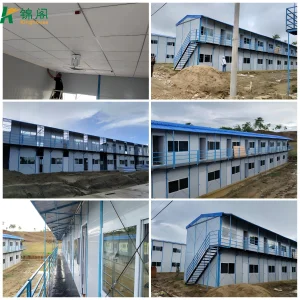
Given the scale of infrastructure projects in Singapore (such as the Cross Island MRT Line and Changi Airport Terminal 5), construction sites require flexible, space-efficient offices. The expandable container house provides an efficient solution, offering high-quality workspace that can be packed, transported, and redeployed as project phases progress.
Industrial operations in hazardous environments demand sturdy, blast-resistant structures for worker break rooms, control outposts, and emergency response assets. Our customized steel-framed prefabricated shelters can be fitted with explosion-resistant electrical systems, emergency fire doors, and pressurized HVAC systems to comply with the safety protocols of critical chemical processing facilities.
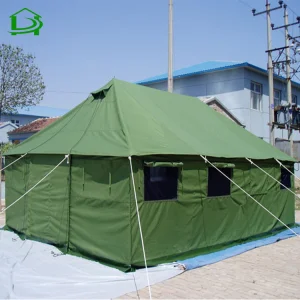
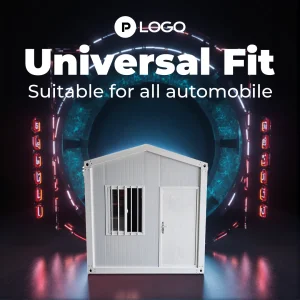
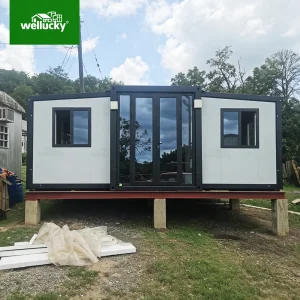
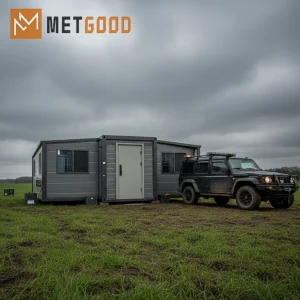
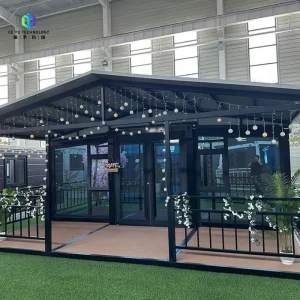
Our comprehensive range of prefabricated structures, tents, and safety shelters optimized for deployment in Singapore and global logistics corridors.
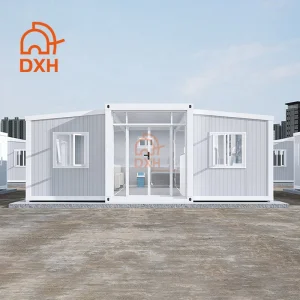
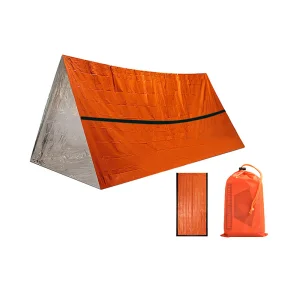
Deploying prefabricated structures within Singapore’s regulatory framework requires strict compliance with structural and logistical guidelines. At Hangzhou Cencal Home Co., Ltd., we design our engineering and logistics workflows to meet these local requirements:
For installations designated as temporary buildings (typically under the BCA's 3-year renewable structural permit framework), the load-bearing parameters, foundation anchor details, and connection designs must be signed off by a locally registered Professional Engineer (PE). Cencal Home provides structural calculations, material test certificates, and detail drawings to simplify this engineering submission process.
Our standard wiring harnesses, distribution panels, and circuit protection systems can be adapted to comply with Singapore Standards (specifically SS 638 / Code of practice for electrical installations, formerly CP 5, and SS 512 for temporary site power). This includes installing 3-pin G-type socket outlets, appropriate residual current devices (RCDs), and multi-core flame-retardant cabling housed in rigid PVC or steel conduits.
Depending on the building's proximity to adjacent structures, the SCDF Fire Code may mandate specific fire-rated boundaries. Our Rockwool core wall panels are engineered to resist flame penetration for 1 to 2 hours, helping to prevent fire spread in densely populated temporary installations.
Common inquiries regarding regulatory compliance, technical logistics, and customization options for the Singapore market.
Hangzhou Cencal Home Co., Ltd. is a professional Chinese manufacturer specializing in expandable houses, foldable houses, modular prefabricated buildings, and customized portable housing solutions. With years of experience in the prefabricated construction industry, we are committed to delivering innovative, durable, and cost-effective space solutions for customers worldwide.
Our product portfolio includes expandable container houses, foldable container homes, modular houses, portable cabins, tiny houses, site offices, labor accommodation units, emergency shelters, guard houses, classrooms, medical clinics, and customized prefabricated buildings. Designed for rapid deployment and convenient transportation, our structures significantly reduce installation time and labor costs while maintaining excellent strength, thermal insulation, and long-term durability.
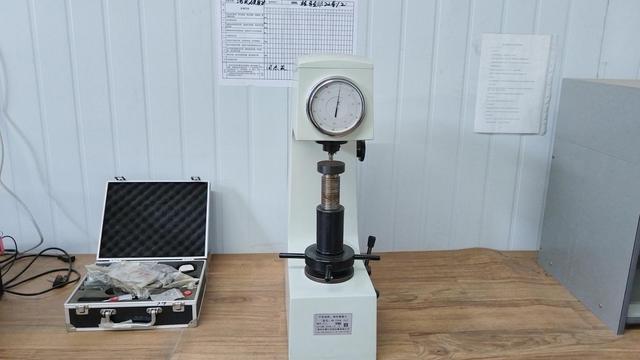
Cencal Home integrates modern manufacturing technology with strict quality control throughout every production stage. Our engineering team provides comprehensive customization services, including floor plan optimization, insulation options, electrical systems, plumbing, interior finishes, windows, doors, roofing, and exterior decoration to meet diverse residential, commercial, industrial, and humanitarian project requirements.
Our products are manufactured using high-quality galvanized steel structures and premium building materials that comply with international quality standards. They are widely used for construction camps, mining sites, tourism resorts, disaster relief projects, healthcare facilities, educational buildings, temporary offices, and permanent residential communities.
Driven by innovation, reliability, and customer satisfaction, Hangzhou Cencal Home continuously invests in product development and manufacturing efficiency to provide smarter modular housing solutions for global markets. We have established long-term partnerships with clients across Europe, North America, South America, Southeast Asia, the Middle East, Africa, and Oceania.
As your trusted expandable house manufacturer in China, Cencal Home is dedicated to providing high-quality prefabricated housing products, flexible OEM and ODM services, competitive pricing, and professional technical support. We look forward to building sustainable living and working spaces together with customers around the world.
Connect with our structural engineering team to receive detailed quotes, CAD layout configurations, and localized compliance analysis.
Send Inquiry Now Cencal Home