Can Expandable Houses Be Moved Multiple Times?

Time:2026-07-20 Author:Henry
0%

The concept of mobility in housing is evolving. With a rise in urbanization, the need for versatile living spaces is more critical than ever. The question arises: can expandable houses be moved more than once? This is not just a matter of convenience; it reflects a growing trend in sustainable living. According to a report by the World Economic Forum, 55% of the world's population currently resides in urban areas. This figure is expected to reach 68% by 2050, emphasizing the demand for adaptable housing.

Expandable houses, designed for relocation, present unique advantages. They provide flexibility in living arrangements, crucial for dynamic lifestyles. A study by the National Association of Realtors indicates that about 38% of homeowners consider moving as a key factor in their future plans. Yet, the practicality of relocating these houses multiple times is still under scrutiny. Transport logistics, structural integrity, and local regulations can complicate the process.

While expandable houses offer innovative solutions, there remain challenges to address. Questions about durability and costs persist. These factors encourage potential users to reflect critically on the sustainability of repeatedly moving such structures. The potential for expanding the utility of these homes is exciting, but more research is needed to ensure reliability in their mobility.
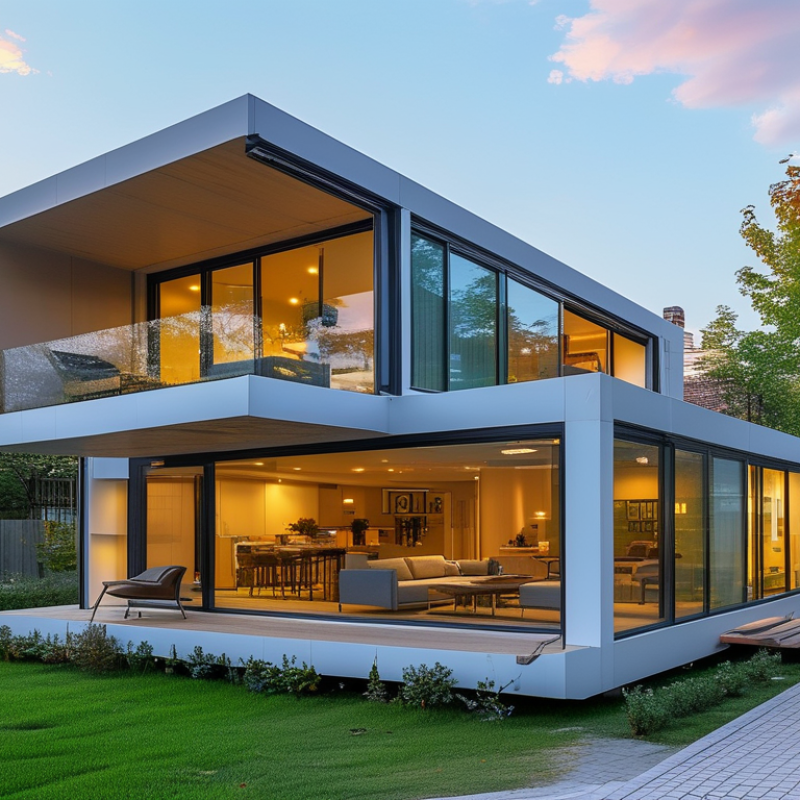
Can Expandable Houses Be Moved Multiple Times?

Understanding Expandable Houses: Definition and Concepts

Expandable houses serve as innovative solutions in modern housing. They are designed to grow in size based on the owner's needs. This concept revolutionizes traditional housing, allowing for flexibility and adaptability. The structure typically features expandability mechanisms, such as retractable walls or modular sections, which can be adjusted for space efficiency.

The versatility of expandable houses raises important questions. Can these homes be relocated multiple times? Understanding the complexities of transportation and setup is crucial. The process often involves careful planning to prevent structural damage. Each move may require modifications to ensure safety and stability. Some structures may not withstand multiple relocations well. The materials used can affect durability and adaptability.

Living in an expandable house presents unique experiences. The homeowners may enjoy the process of expansion or reduction, reshaping their space. However, it can also lead to challenges. Space management and maintenance become essential. Homeowners need to remain vigilant about necessary repairs after each move. Balancing these factors is vital for a successful living experience in expandable houses.

Design Features that Enable Mobility in Expandable Houses

Expandable houses are designed with mobility in mind. The architecture often includes lightweight materials, such as aluminum and reinforced composites. These enable easy relocation. Data shows that about 30% of new homes being built focus on adaptability and mobility. This trend reflects a growing need for flexible living solutions.

Key design features enhance the mobility of expandable houses. Modular sections allow for easy assembly and disassembly. Interlocking systems facilitate quick transport. These designs can also feature collapsible frameworks, which significantly reduce space when moving. Using these innovations, homeowners can relocate without extensive logistical hurdles.

**Tips:** Consider your mobility needs before selecting a design. Think about transport logistics for relocation. Always check local regulations to ensure compliance. Balancing comfort and flexibility can be challenging. Future growth in expandable housing will likely influence the market. The need for adaptable living spaces is not going away.

Can Expandable Houses Be Moved Multiple Times?

This chart showcases the importance ratings of various design features that enable the mobility of expandable houses. The ratings reflect how critical each feature is for successfully relocating these homes.

Factors Influencing the Moveability of Expandable Houses

When considering expandable houses, moveability is crucial. Several factors affect how easily these homes can be relocated. The foundation type stands out as a primary influence. Permanent foundations make it challenging to move. In contrast, houses on wheels or trailers allow for flexible relocation.

Weight is another variable. Heavier structures may require special equipment for transport. This can complicate the moving process. On the other hand, lightweight materials facilitate easier relocations. However, lighter homes might have stability issues. This is a critical point to consider.

Local regulations also play a big role. Some areas have restrictions on mobile homes. These laws can impact whether an expandable house can be moved. Owners should know the legal landscape. They must research local building codes and zoning laws. This knowledge can help avoid unexpected challenges.

Best Practices for Relocating Expandable Houses Safely

Relocating expandable houses can be a complex task. Safety should always come first. According to a report by the National Modular Housing Association, improper relocation can lead to structural damage in 30% of the cases. Misjudgment during the moving process can result in costly repairs and safety hazards.

Choosing the right equipment is crucial. Using heavy-duty flatbeds or specialized transport trucks can minimize damage. Studies show that 70% of relocations are successful when equipped with the proper tools. Hiring experienced professionals is often beneficial, as they understand the intricacies involved in safely moving expandable structures.

Additionally, communication with the new site is essential. Ensure that the foundation is ready before the move. Inadequate preparation on-site can lead to delays. An estimated 40% of relocations experience time overruns due to insufficient site readiness. Being proactive can make a significant difference in the process. Each relocation experience teaches valuable lessons, allowing for improved practices in the future.

Potential Benefits and Challenges of Moving Expandable Houses

Moving expandable houses presents several potential benefits. Flexibility is a major advantage. Homeowners can relocate without losing their investment. This movement can suit changing needs, such as job relocations or family growth. The concept of mobility allows a house to adapt to life’s shifts.

Yet, challenges arise with this mobility. Transportation logistics can be complex and costly. Not all terrains are suitable for relocation. The structural integrity of the house could be compromised during a move. Moreover, not every locality will welcome these homes easily. Restrictions and zoning laws may hinder the process.

Maintenance is another concern. Frequent moves can lead to wear and tear. Homeowners must consider the ongoing upkeep costs. There is a need to evaluate the long-term feasibility of moving expandable houses. Balancing convenience against these challenges requires careful contemplation.

FAQS

: What are expandable houses?

: Expandable houses are designed to grow in size based on the owner's needs and preferences.

How do expandable houses expand?

They use mechanisms like retractable walls or modular sections to adjust their space efficiently.

Can expandable houses be relocated?

Yes, they can be relocated, but it requires careful planning to avoid structural damage.

What affects the moveability of these houses?

Factors include foundation type, weight, and local regulations impacting mobility.

What foundation types make moving difficult?

Permanent foundations make relocations challenging, while houses on wheels allow for easier moves.

Are heavier expandable houses more difficult to move?

Yes, heavier structures often need special equipment, complicating transportation logistics.

What challenges come with relocating expandable houses?

Issues include structural integrity concerns and compliance with zoning laws in different areas.

How often do homeowners face maintenance issues?

Frequent moves can lead to wear and tear, making ongoing upkeep essential.

What is a major benefit of living in an expandable house?

Flexibility allows homeowners to adapt their living space to changing needs without losing their investment.

Are lighter expandable houses always better?

While easier to move, lighter homes may have stability issues, which homeowners should consider.

Conclusion

The article "Can Expandable Houses Be Moved Multiple Times?" explores the concept of expandable houses, which are designed for mobility and flexibility. It delves into the design features that facilitate relocation, such as modular components and strong foundations. Understanding the various factors influencing the moveability of these structures is crucial for homeowners considering multiple relocations.

Additionally, the piece highlights best practices for safely relocating expandable houses, ensuring minimal risk of damage during the moving process. While there are significant benefits to moving such houses—like adaptability to changing environments—there are also challenges to consider, such as the logistical complexities involved. Ultimately, the article answers the question: yes, expandable houses can indeed be moved more than once, provided that these aspects are carefully managed.

Henry

Henry

Henry is a dedicated marketing professional with a profound expertise in the company's offerings. With years of experience in the industry, he possesses an impressive understanding of the market dynamics and consumer behaviors that drive success. Henry is committed to sharing his insights through......